Mostrando postagens com marcador válvulas. Mostrar todas as postagens
sexta-feira, 1 de setembro de 2017
COMO ESCOLHER amplificador de guitarra tubos (um guia para dummies)
Olá e bem-vindo ao artigo desta semana! Hoje vamos falar sobre TUBOS! Como escolhê-los? Fiz muitas pesquisas throught dos últimos anos e tentou muitos deles em meus próprios amplificadores, mais eu fiz tesouro da experiência de outras pessoas que conheci (por exemplo, os caras da minha fórum, Guitartribe , que está em italian), por isso hoje nós estamos indo para ver e introdução sobre como escolhê-los, que são os mais adequados para determinados amplificadores e gêneros, e como obter o som certo.
Vamos começar por dizer duas palavras sobre tubos de vácuo: um tubo de vácuo é composto por dois ou mais eléctrodos em um vácuo dentro de um recinto hermeticamente fechado, e estes eléctrodos estão ligados a fios, que passam através do invólucro através de uma vedação hermética. Na maioria dos tubos, os cabos, na forma de pinos, conecte a uma tomada de tubo para facilitar a substituição do tubo (tubos foram, de longe a causa mais comum de falha no equipamento eletrônico, e os consumidores eram esperados para ser capaz de substituir tubos próprios ).
Amplificadores de guitarra elétrica com base em tubo também são preferidos para estado ou digitais os sólidos por muitos guitarristas, porque neste aplicativo os usuários não estão buscando a reprodução mais precisa de um som original, mas sim para o equipamento para adicionar suas próprias características. O som produzido por um amplificador de potência de tubo quando sobrecarregada definiu a textura de alguns géneros de música, a partir de rocha clássico e azuis, e abrangendo através de toda a música espectro . Em vez da característica de grampeamento difícil de amplificadores de potência de estado sólido, um amplificador de tubo e transformador de saída produz audível diferente e distorção distintivo . Guitarristas costumam citar o som de amplificadores valvulados para o "calor" de seu tom eo natural compressão e eqcorte que resulta quando overdriven (como amplificadores são rotineiramente). (Wikipedia).
Clique aqui para um artigo sobre como TUBOS AFETAR SOM!
Primeiro vamos dar alguns conselhos gerais
: Se você quiser substituir os tubos de energia em seu amp, após a
substituição, você deve ajustar o viés (ou tê-lo ajustado por alguém que
pode fazê-lo sem arriscar sua vida), a fim de usá-lo em o seu melhor e
evitar estragar o seu amplificador de potência. Se você quiser saber mais sobre como definir o viés, confira esta página . Tubos de pré-amplificação vez não pode ser tendenciosa ou ajustado, você pode simplesmente substituí-los. Além
disso, você não precisa usar (exceto para casos excepcionais) tubos
pré-amplificador da mesma marca, você pode usar uma marca diferente para
cada posição, se desejar.
A amp baixo ganho não pode ser ligado a uma besta ganho oi apenas
substituindo tubos, embora o tubo que você colocar na primeira posição
pode mudar um pouco o som geral do seu pré-amplificador: um 12AT7 irá
torná-lo mais dinâmico, um 12AX7 fará -lo mais overdriven e gainy, a
5751 irá torná-lo mais limpo, e um tubo pré-amplificador vai durar mais
ou menos 2 ou 3 conjuntos de válvulas de potência.
Agora, de acordo com o Tubo Town Mapa
, podemos dar alguns conselhos gerais na escolha dos tubos certas para o
seu amplificador, tendo em mente que, obviamente, estas não são as
regras (e muitos mais tubos do que estas, que são apenas o mais comum),
então a única forma real de escolher o tubo certo para você é para fazer
algum teste.
Tubos de pré-amplificação ( classificado por estilo de música, estes são os mais comumente encontrados em lojas online, a um preço razoável ) :
Acústica - guitarras limpas : Electro Harmônicos 12AY7, GE 5751, Fender 12AT7
Blues - Classic Rock : JJ 12AX7, TTE 83CC, Mesa Boogie 12AX7
Grunge - de metal clássico : TT 12AX7, Tung Sol 12AX67, JJ ECC83S
Thrash Metal - Metal extremo : Sovtek 12AX7LPS, JJ ECC83S, TT 12AX7
(E aqui estão alguns dos mais procurados, raro / boutique / vintage):
GE 12AX7WA:, som limpo e escuro.
GE JAN 5751: ganho de 30% menor do que um 12AX7, som brilhante.
RCA 12AX7A: ganho oi, som gordura americano, bom para crise
RCA 7025: menor ganho, muito bom para timbres limpos.
Rayteon 12AX7: menor ganho, reforçada frequências mais altas, grande dinâmica.
Mullard 12AX7 / ECC83 moderno / antigo logotipo: ganho oi, aprimoradas frequências médias, sugerido para amplificadores britânicos (cuidado com o preço!).
Brimar 12AX7: similiar ao Mullard, mas slighly menos gainy.
TELEFUNKEN ECC83: alta definição, som brilhante, menos gainy que um Mullard. Muito caro!
Tungsram ECC83: Som equilibrado, meados dos baixos avançados, de alta definição, alto headroom.
RFT ECC83: fortes menor frequência e bom para crise, menor altura livre e quebrar nível, sugerido para blues.
TESLA ECC83S: boa quantidade de ganho, sugerido para amplificadores de som britânicos.
Tubos de alimentação ( classificadas por tipo ) :
EL84 : JJ EL84 para um som Padrão, Sovtek / Electro Harmonix para um todo tom, JJ EL844 Para um som de poder apertado, baixo.
EL34 : JJ EL34, Electro
Harmonix EL34 para um som que vão do blues ao hard rock, TT EL34 e Tung
Sol EL34 para Heavy Metal, SED EL34 para ajuste caiu e Bass.
6L6 : JJ
6L6 e TT KT66 para um som que varia desde azuis para rocha dura, TT 6L6,
Tung Sol 6L6, 6L6 Sovtek ANM + para tons mais pesados para cima para o
extremo de metal, e SED 6L6 para afinações cortados e baixo.
JJ 6V6 são inferiores tubos de alimentação, o que conduz a uma saída inferior e uma ultrapassagem mais suave.
Divirta-se tentar todas as combinações !!
Fonte: http://atoragon.blogspot.com.br/2012/04/which-tubes-choose-for-your-guitar-amp.html
sexta-feira, 25 de agosto de 2017
Válvulas - Guitarix
| Tube | Type | Application |
|---|---|---|
| 12AX7 (also known as ECC83) | Dual Triode (high gain) | Most common preamp tube, notably used in Marshall and Vox amps |
| 12AU7 (also known as ECC82) | Dual Triode (low gain) | Used in some vintage Gibson and Marshall amps |
| 12AT7 (also known as ECC81) | Dual Triode (medium gain) | Used in driver and phase-inverter stages |
| 6DJ8 (also known as ECC88) | High Transconductance Dual Triode (medium gain) | Used in some Hi-Fi amps, also in TV's |
| 6C16 | Triode-Pentode | Used in some Hi-Fi and headphone amps |
| 6V6 | Beam power tetrode | Very common power amp tube |
Amplificadores Valvulados para Guitarras: Modelos, Conceitos e Opiniões.
Fonte: http://blog.santoangelo.com.br/amplificadores-valvulados-para-guitarras-modelos-conceitos-e-opinioes/
Por Santo Angelo
15/01/2014
17
0
Share0
0
Por Professor SANTO ANGELO Olá, meu nome é Andre Corales, engenheiro e Ph.D em Circuitos Digitais e aqui, no blog da SANTO ANGELO, vou desenvolver alguns temas bem controversos, para que juntos possamos aprender sempre. Começaremos por amplificadores valvulados para guitarras, compreendendo sua história e fatos consagrados. Já peço que fiquem a vontade para sugerir, questionar e até mesmo criticar meus pontos de vista. Afinal, não gerar polemica sobre assunto tão passível de gosto pessoal seria uma utopia.
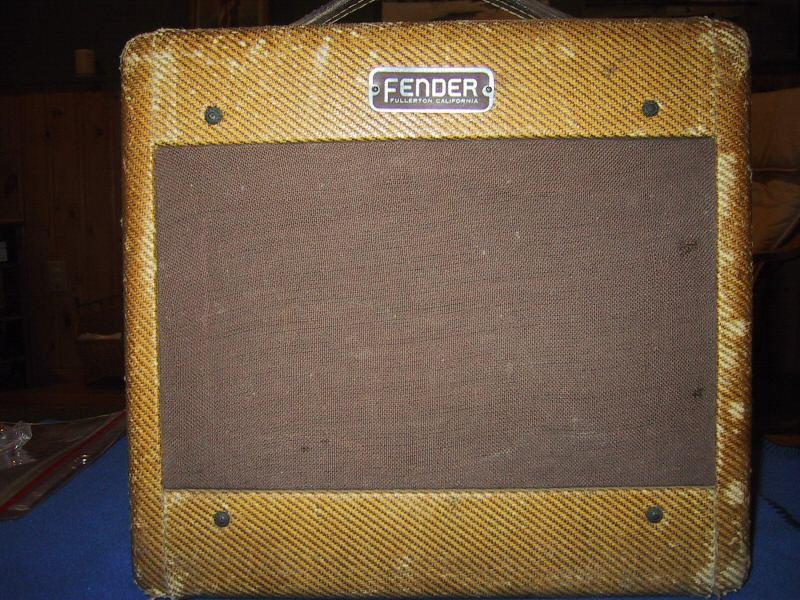
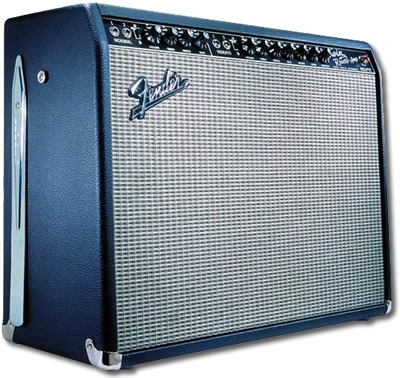
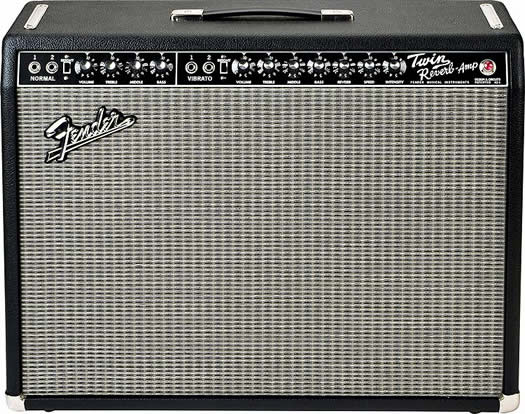
Nos anos 50/60 (época de ouro para a Musica) um fabricante de equipamentos musicais (Leo Fender) propôs uma arquitetura não muito usual para amplificadores da epoca, com um pré de 2 canais e uma saida com pentodos de áudio em Push Pull. Uma das características inovadoras desta arquitetura era a existência de dois canais com ganhos individuais e de níveis diferentes. Enquanto um canal tinha um ganho “10”, por exemplo, o outro tinha um ganho “100” com um corte de frequencias baixas e um acrescimo nas frequencias mais altas (Canais HI/LO).
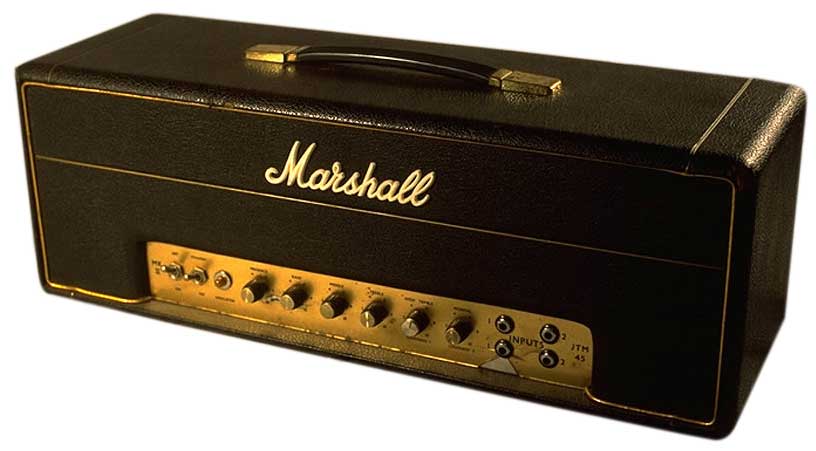
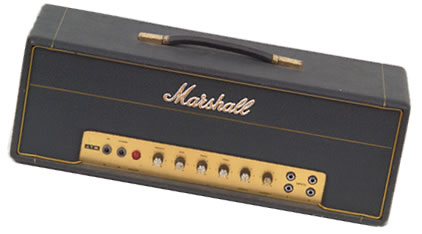
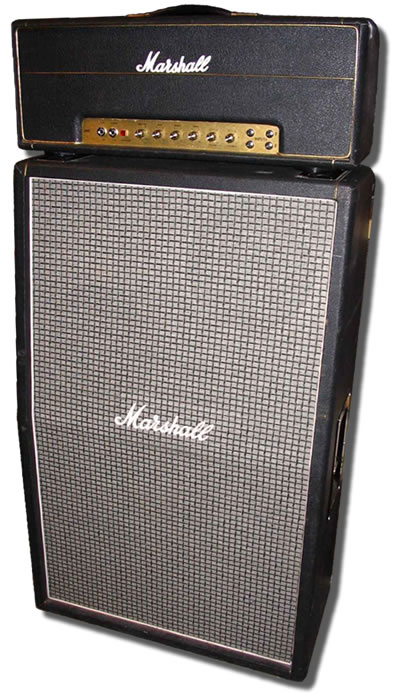
Não muito distante (em data pelo menos) do outro lado do Atlântico, mais precisamente na Inglaterra , uma oficina de reparos em amps resolveu copiar a arquitetura de Fender , porem com algumas modificações em função dos componentes disponíveis no mercado europeu. Surgia assim, outro icone entre os amps valvulados que, juntamente com o modelo criado por Fender, ditariam o mercado de amps para guitarras desde as decadas de 50/60 ate os dias de hoje. Jim Marshall , o pai deste digamos “invento” acabava de criar o famoso JTM45 ou como mais comumente é conhecido no meio musical “PLEXI”.
Basicamente, as modificações implementadas por Marshall foram substituir as válvulas de saída de 6L6 originais no projeto Fender pelas EL-34 (os unicos pentodos disponiveis na Europa na ocasião) e no pré , ao invés de usar uma 12AY7 e uma 12AX7 (a primeira com um ganho um pouco menor do que a 12AX7) usar duas 12AX7 proporcionando um ganho um pouco maior em volumes mais baixos.
Por caracteristicas de construção e de tensão de operação e de polarização, as EL-34 tendem a evidenciarem frequencias medias altas e suprimirem as frequencias mais baixas que, ao contrario das 6L6, evidenciam as frequencias mais baixas. Pronto! Estavam criados os dois estilos que ditariam os timbres musicais dos próximos anos: o “American” e o “English”. Estes estilos foram copiados posteriormente por varios fabricantes como
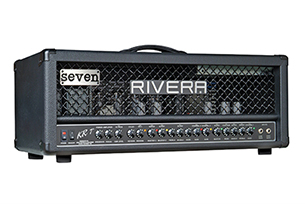
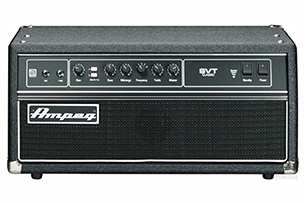
American: Peavey, Winfield, Ampeg, Rivera etc
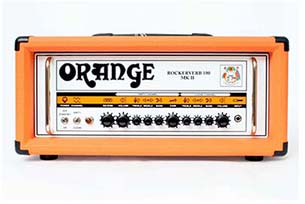
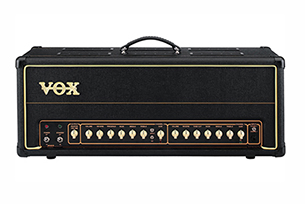
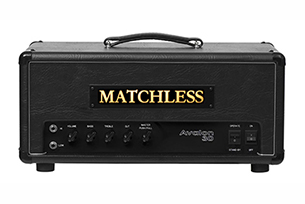
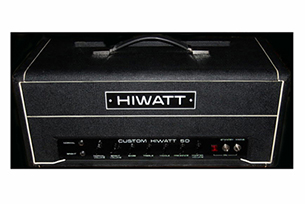
English: Orange, Vox, Matchless, Hi Watt etc.
Agora que você já conhece um pouco da historia destes classicos, vamos entender um pouco mais sobre o timbre de cada um e respectivos efeitos que tanto causam divergências e polemicas entre os guitarristas.
Conceitos
Mergulhemos um pouco no tema técnico destes amps e os conceitos por trás destas arquiteturas.
Overdriver: esse efeito tão desejado pelo guitarrista pode ser conseguido de duas formas
1- Via saturação no Pré
Vantagens :
- Fácil implementação (pois a arquitetura básica pode ser mantida e apenas se muda a polarização das válvulas).
- Baixo custo
- Resultados satisfatorios
2- Saturação no Power
A saturação no Power traz justamente o que mais se deseja num amplificador valvulado, pois o sinal entra limpo no Pré e sai no limite da clipagem (mas ainda sem clipping) e quando entra no Power no limite, o circuito se encarrega de gerar o clipping, produzindo tambem os harmonicos pares e de forma linear. Em consequência disto, obtém-se um efeito de Overdriver real e muito agradável, mantendo-se completamente a característica de “timbre” do amplificador.
Porem nem tudo são flores nesta topologia, pois para se obter este efeito dependemos de fatores criticos como transformadores de saída, fontes de alimentação e polarização de bias correta. Outra questão para obtermos o efeito Overdriver de Power é a necessidade de trabalhamos em altos volumes o que para um grande numero de guitarristas é um fator limitante, pois nem todo musico tem um estúdio com isolamento acústico adequado para abrir todo o “gás” do amplificador.
Ate este momento resumimos o que aconteceu nas décadas de 50 e 60, porem em meados dos anos 70 e inicio dos anos 80 , surgiram alguns novos conceitos sobre amplificação valvulada para guitarras, conceitos estes dirigidos por dois fabricantes que inovaram o mercado e acabaram por criar um novo “Estilo” alem dos “American” e “English” styles. Randall Smith e Mike Soldano são os nomes das feras que causaram esta nova revolução no mercado, que respondem pelas empresas Mesa Boogie e Soldano Amps respectivamente.
O Conceito
Basicamente o conceito estava baseado em implantar um novo estagio de pré amplificação nas topologias existentes, causando com isto uma brutal amplificação e em consequencia um ganho estupidamente muito elevado, o que causou um frenesi nos amantes dos estilos mais pesados do rock. Randall foi alem, criando monstros como os Rectifiers com varios canais e com sistemas de retificação de estado solido e valvulado (alterando as caracteristicas das fontes para gerar efeitos como SAGs) chaveados pelo usuario de acordo com a necessidade.
Outra inovação foi a implementação de saidas duplicadas com valvulas 6L6 e EL-34 , que podem ser chaveadas de forma independente, tendo o melhor dos dois mundos. Pronto! Estava criado um novo conceito e um novo “Estilo”: o “Californian”. Apesar de alguns fabricantes não serem californianos como Peavey, Egnater e Soldano, o precursor desse estilo é californiano de uma pequena cidade chamada Petaluma, distante 90km de San Francisco.
Resposta dos tradicionais
Diante deste novo conceito e de uma nova demanda no mercado (Heavy Metal ) os tradicionais fabricantes de amps Marshall e Fender , foram obrigados a reverem suas topologias. A Marshall em um primeiro momento, sugeriu um sistema com vários amps em cascata , performando somente o Power do ultimo amp no sistema.
Porem esta tecnica muito utilizada (bandas Ramones, Motorhead etc) se mostrava pouco eficiente para os musicos em estudio pois o fator preço e espaço eram determinantes para dificultar esta topologia.
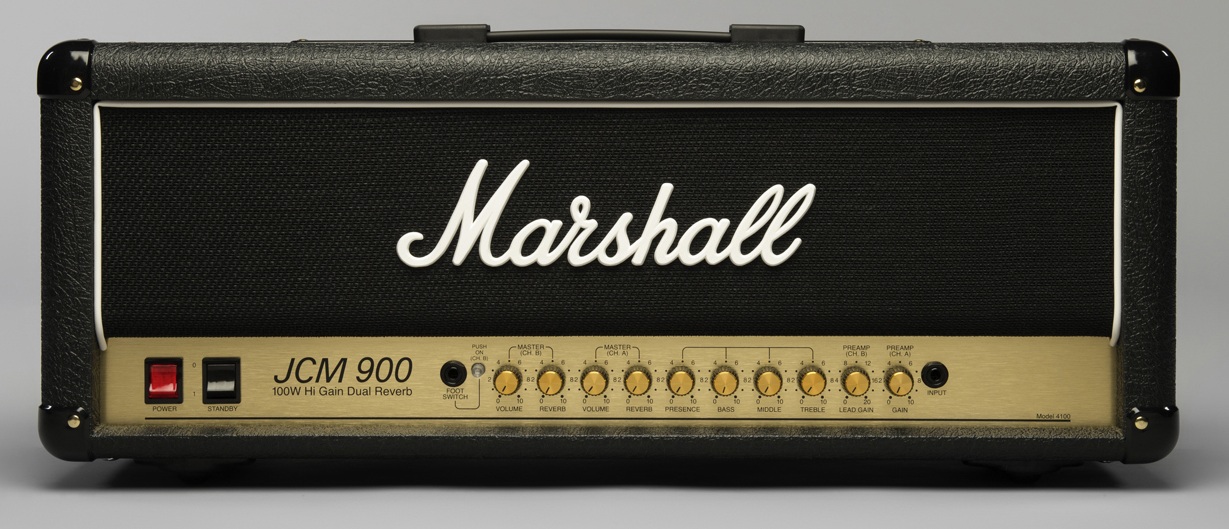
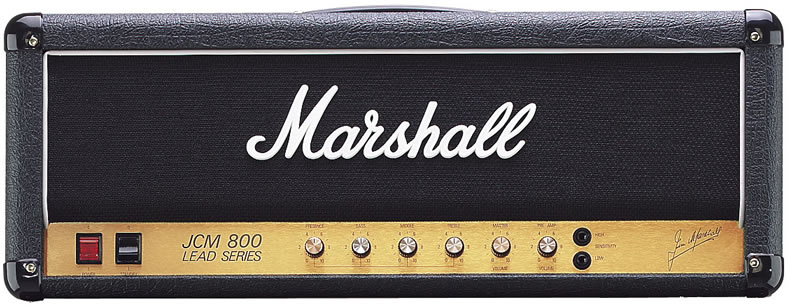
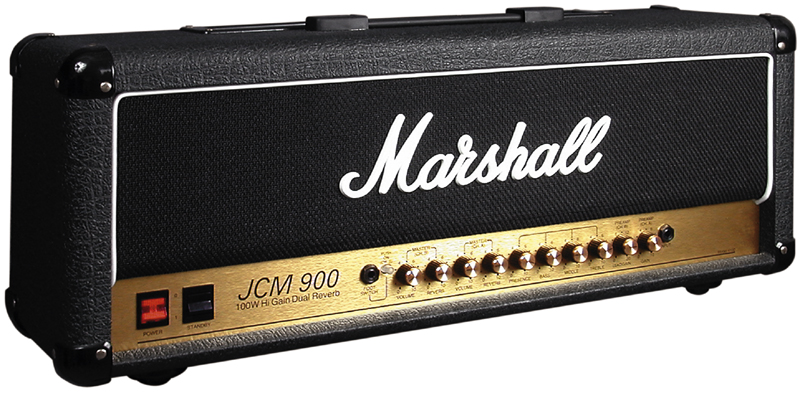
Desta forma, a primeira resposta da Marshall foi o JCM800/900 , onde se manteve as mesmas valvulas no pré, porem ao inves de ter um triodo (12AX7) utilizou em um dos canais 3 triodos ou 2 ½ 12AX7 (uma 12AX7 é composta por 2 triodos ou seja duas válvulas em um único tubo). Com isso obteve um maior ganho (gerando um overdrive de pré) porem a familia JCM ficou conhecida pelo excesso de compressão em altos ganhos. Apos isto vieram os Rivera, Egnater, EVH, etc.
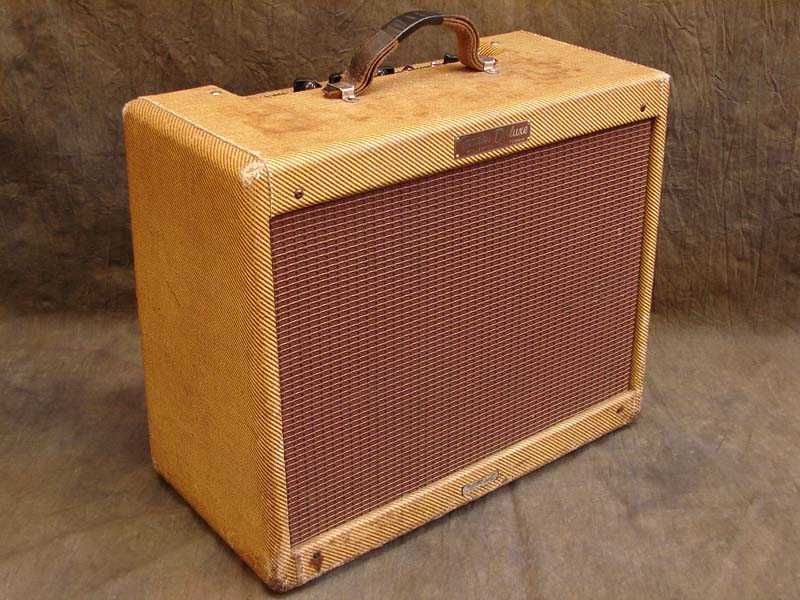
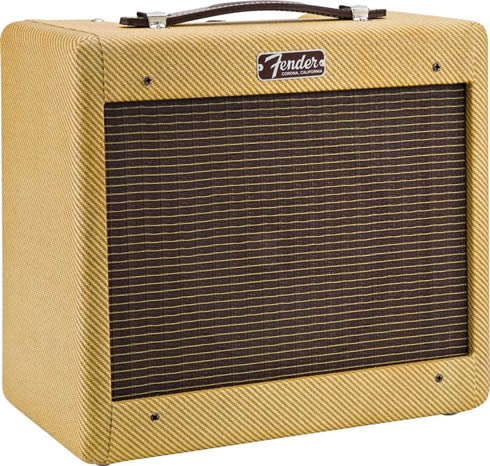
Você deve estar se perguntando: o que a Fender fez então? Nada, pois na filosofia da Fender , o “estilo” Tweed American é imutavel ou “imexivel” como diriam certos políticos brasilerios. Para a Fender, quem usa essa marca usa porque se identifica com o “Estilo” e ponto final.
Opiniões
Bem na humilde conclusão deste que escreve estas mal traçadas linhas, no final das contas o que conta é o gosto pessoal de cada um e não se fala mais nisso. Porem preciso alertar para as “armadilhas” do mercado, no qual alguns fabricantes, visando baratear os custos de produção e aumentar os lucros, oferecem amplificadores híbridos (com o pré valvulado). Em minha opinião, isto é somente para o usuario final ter um gasto desnecessario e ficar com uma solução muito inferior. Quanto a gosto pessoal, para quem ainda não me perguntou, tenho uma preferência especial pelos amplificadores do estilo American.
Bem, espero ter contribuído em este pequeno texto para aumentar a gama de conhecimento geral dos que nos lêem e fico a disposição para responder quaisquer duvidas que possam ter, assim como aceito sugestões e temas para os próximos posts.
Abraços e até lá.
VACCUUM TUBES
VACCUUM TUBES
Where to Get Them
I wanted to put in this section about buying tubes because many beginners have no idea where to acquire good tubes. The only countries producing vacuum tubes today are Russia, China, and Japan. Tubes are not being made in the United States anymore, so to get new old stock (NOS) US made tubes, you'll have to look to tube sellers who have a supply of NOS tubes, or look to auction sites where tons of tubes can be found, or simply check out garage and estate sales (you'd be surprised!). My favorite place to find NOS tubes is at hamfest’s. Hamfest’s as I mentioned before have nothing to do with pork. They are usually one day flea markets where amateur radio operators gather to sell their wares. Many sellers are long time radio operators, who were into radio back when all radio equipment was made using tubes. You can usually find lots of new and used tubes at a fraction of the cost that you'll pay on auction sites and from tube dealers.
You can find a number of amp related websites that sell parts that also sell tubes. There are also many websites devoted to selling tubes only that can be found by doing a simple search using the usual search engines. You will find that the prices will vary widely from one place to another, so shopping around will save you a lot of money, especially on the expensive high end European tubes such as the Mullards, Telefunken's, and others made in Hungary, Germany and Great Britain, as well as the more expensive US made tubes.
Choosing the Right Tubes for Your Amp
Choosing the right tubes is important to getting good tone from your amp. Choosing different types and even different brands can affect the tone of your amp. It's a good idea to learn how to identify new tubes from used tubes, or tubes that are slightly used from tubes that have seen a lot of use if you're going to venture out and buy tubes at hamfest’s and such. If you go to hamfest’s, you'll find some people with huge boxes full of loose tubes. I usually avoid those as the tubes are usually pretty well banged up and will likely be noisy.
I look for the sellers who have the tubes boxed up and have a list of all the tubes they have on hand. I would advise you to know which type, and brands you want to buy before you start shopping. This is because there are so many different types of the same number tube out there that you may get confused and end up with something different than what you thought you were getting. For instance, let’s say you set out to buy a set of 12AU7 low gain preamp tubes. There are a number of tubes that have different numbers on them, but in fact are the same tube, for example, a 12AU7, and a 12AU7A. They are the same tube, but one has an A at the end. This simply means that the one with the A at the end is a newer tube. Tube mfg.'s changed, or added something to some tube numbers throughout time, so it's important to know which tubes you can use, and which ones you can't. In this example, the 12AU7 and the 12AU7A are the same tube, you can use either one without any electronic changes being made and both have the same gain factor. There are also the JAN tubes, in which JAN stands for "Joint Army Navy", that use totally different numbers for almost all common tubes. The very same 12AU7 in a military number may be referred to as a 6189, or a 5814A, but it's just the same as a 12AU7 tube. Military tubes will usually have "JAN" printed right on the tube along with the tube number, or, a military tube may also have the letters "WA" following the tube number, for example 12AU7WA. This is not a different tube, but rather a military tube. Military tubes are usually built better to withstand the rugged conditions that they may be put through. They also usually have been put through a "burn in" period before being boxed and labeled for military use. You may see a burn spot on the silver part of the tubes, which is called the “flashing”, that may give the tube a used appearance, but is usually just a sign that the tube was burned in before being put into use. It does not mean the tube is used. A vacuum tube is most likely to fail, if it's going to fail, in the first 48 hours of use, and this is one of the reasons that military tubes are burned in. It also stabilizes the tube electronically and burns up any air or gasses that don't belong in the tube.
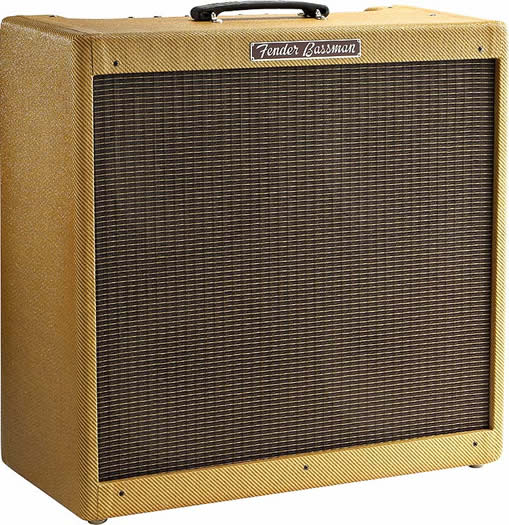
But let’s say you're looking for a rectifier tube. Let’s say you're looking for a 5U4G rectifier tube for your 59 bassman. You will find that there are also tubes labeled as 5U4GA, or 5U4GB. Some tubes may have both of these numbers on them. Although you can usually use a 5U4GA, or a 5U4GB in place of a 5U4G, they are different electronically, and if you had a 5U4G in your amp and you replaced it with a 5U4GB, you may need to have the bias adjusted if it is adjustable. In this example, a 5U4G and a 5U4GA are not the same tube. The 5U4GA and 5U4GB have different plate voltages and will change the amount of voltage going to the rest of the components in your amp. Although it's not likely to cause any damage to your amp, it will affect the bias, and the way the amp will sound.
So as you can see, it's important to know exactly what you're looking for before setting out to buy tubes. It's a good idea to learn the military equivalents of the tubes you use too because they are usually superior tubes, and can sometimes be purchased for less than the regular production tubes. It's a good idea to make a list of the tubes you need and their equivilants before you set out to buy tubes at a hamfest. If you're like me, you won't remember all the military and industrial equivilants while you're out looking around!
Getting to Know Tubes
I'm not going to get too deep into tubes because there is just way too much to learn if you really want to get into how tubes work and affect tone, but I think it's important to know how to get the most out of your tubes and how to select the right tubes for the tone that you want to get. If you want to learn more about tubes, there are a number of good books and websites that can help you to understand tubes better. One good book that I have read and would recommend to anyone who wants to get some really good general information on tubes is titled, "Getting The Most Out of Vacuum Tubes", and is written by Robert B.Tomer. This book gives information on tube types, causes of tube failure, selecting tubes, what to expect from tubes, how to identify noisy tubes, testing methods, different types of testers, getting the most from your tubes, and all about tube maintenance. It's not a book for technicians, but rather the average Joe who just wants to learn a little about using and maintaining tubes and tube equipment. It's available at the Antique Electronics Co. website. It's a great book that I'd highly recommend to anyone.
Tube Gain Factor
One aspect of tubes that is important to understand is a tube's gain factor (GF). When it comes to tube amp's, this aspect only applies to preamp tubes. Power tubes of different types do also have different gain factors, but most amp's can only use one type of power tube. If you can use more than one type of power tube in your amp, then you likely already know what you can use and what the affect will be. Most amp's are designed to use only one type of power tube and you should only use power tubes that your amp is designed for.
There are a bunch of different tubes available that can be used safely in the preamp section of your tube amp. Preamp tubes are self biasing, and therefore when you replace your preamp tubes, there is no need to rebias your amp. Most amp's can use different types of preamp tubes. Although there are very few amp's that you cannot change the type of preamp tubes in, if you are not sure that you can use different types of preamp tubes, it would be a good idea to check with the Mfg. of the amp to find out if you can, or check with an authorized dealer or repair shop to find out.
Different types of preamp tubes will affect how much the signal being sent into the amp by the instrument or microphone is amplified before being sent to the power tubes. When it comes to harp amp's, the high input signal sent from a strong mic does not need the same amount of amplification that a guitar does. This is why most guitar amp's that are set up for guitar that are used for harp have a tendency to feed back with the volume control set on 2 or 3.
Harp amp's need to be fit with lower gain tubes to reduce the amount of amplification before the signal goes to the final stages of amplification. You really can't use the same type tubes for all amp's used for harp when you change them to lower gain tubes. All amp's are different, and they all will react best when set up with the right tubes or combination of tubes. You will need to experiment with a few different types of tubes to see which ones your amp works best with. You do not need to use the same type of tube in all preamp positions if your amp has two or more preamp tubes. You can mix different types of tubes in the different positions of the preamp to find what works best for you. Finding the right tubes will depend on the amp, the type of mic that you use, and how strong the signal coming from your mic is.
In general, it is best to use the lower gain tubes in the first preamp position, and increase the gain as needed in the second and third stage of the preamp. Generally, the first preamp tube section will be the one farthest from the power tubes, but some amp's are different, so make sure you know which tube is the first stage, the second stage etc. You won't hurt anything if you accidently put a higher gain tube in the first stage and a lower one in the second, but it likely won't work as well if you increase gain as you progress through the preamp stages.
It is also important that the first preamp tube in your amp be a good non microphonic (noise free) tube. If you have a noisy tube in the first stage, the noise will be amplified by the second and third preamp tubes if you have multiple preamp tubes. Sometimes you can get away with using slightly noisy tubes in the second or third position without too much noise being introduced into the signal, but it's best to have all non microphonic tubes. You can test a tube for noise by putting it in the first stage and turning the amp on. Then lightly tap on the tube with your fingernail or a pencil. If you hear a lot of funky noises coming out of the speaker or speakers, use another tube. You will hear the "ping" of your finger hitting the glass, but if you hear any strange noises like rattling or springy noises, the tube should not be used. As I said, some slightly noisy tubes can be used in the later stages of the preamp without trouble, but do not use them in the first stage. Of course it is best to use non microphonic tubes in all stages of the preamp.
Many tube amp's will have a preamp tube that is used as a "phase inverter", which is a tube that flips the phase of the signal from the previous preamp stages. It's not important to understand what a phase inverter does, but, the phase inverter does also act as a stage of gain in the preamp, so increasing the gain of the phase inverter tube will increase the overall gain of the preamp signal. Some tube amp's will also use a preamp tube for a reverb circuit. If your amp has a tube that is used for the reverb, changing this tube is not necessary and should be left alone. If you're not sure if your amp uses a tube for the reverb, check with an authorized repair shop or the amp's mfg. Sometimes you can find out if the amp has a tube chart inside the cabinet, or if you have the schematic and can read it.
It is important to know which tubes have high gain and which ones have lower gain before you begin to experiment with different tubes in your amp. Guitar amp's generally come equipped with 12AX7 preamp tubes. These are the highest gain tubes of the preamp family of tubes, and almost always are too high in gain to use in a harp amp or a guitar amp used for harp. Below is a list of tubes and the amount of gain they provide. As I mentioned, the 12AX7 is the highest gain tube and is said to have a gain factor of 100. If your amp has 3 preamp tubes and has all 12AX7's in it, your overall gain will be 300, which is way too much for an amp used with a high output mic. The total amount of gain that your amp will require depends on it's circuitry and your mic. So I can't say something like a total gain factor of 150 will work well for all amp's used for harp. You will need to experiment to find out what tubes or combination of tubes works best for you. Here is how the different preamp tubes are rated for gain.
Tube: Gain Factor:
12AX7 100
12AT7 70
5751 60
12AY7(A) 40
5814A 22
12AU7(A) 17
Keep in mind that preamp tubes loose gain over their lifetime when in use. These gain factor numbers are for new tubes, and new old stock tubes. The tubes will not loose gain sitting in a box for 50 years. It has been my experience that NOS tubes that are 40 or 50 or more years old will measure up to their expected Gm readings when tested. Some will read slightly stronger than others but are within expected new tube Gm (transconductance) readings. You can use used tubes that test out good but they may have slightly less gain than a new tube of the same type.
Any tubes that are equivilants of the tubes listed above should also have the same gain factor as their equivilant. There are some common tubes around with different numbers that are either industrial or military numbers, but are equivilants of the common types listed above. For instance, a 5963 is an industrial number for a 12AU7 and should have the same GF as a 12AU7. A 6072 is an equivilant to a 12AY7. I have seen many 5814A tubes listed as an equivilant to a 12AU7, but they do have a slightly higher GF as you can see in the chart. Some people will list a 5751 as an equivilant to a 12AX7, but as you can see, they have very different gain factors. 5751's are a favorite among guitar players because they will give a more distorted tone to the amp due to the lower GF. Other than the GF, a 5751 does have the exact same specs that a 12AX7 has. Some of the other lower gain tubes will have slightly different specs other than the GF such as plate voltage or bias voltage, but you don't need to worry about any of those specs. They will not hurt your amp in any way. Just keep in mind that you will get the best results using the lower gain tubes in the stages before the second, third or fourth preamp stages. You can use all of the same type tube in your preamp, or you can mix them up to find what works best for your particular amp.
I prefer to use 12AU7, 5814A and 12AY7's in my amp's. If I need more gain, I might try a 5751 in the second or last preamp stage. I usually use a combination of tubes rather than all of the same type, but this is just what works best for me. It is best to try a number of combinations if possible to find what works best for you.
Many people like to use a 12AT7 in the Phase Inverter. The phase inverter is usually the last tube in the preamp chain, and is usually the closest tube to the power tubes. A 12AT7 has a bit more gain than a 5751 and is sometimes a little too much gain for some harp amp's, especially if you have a very strong mic, but it has some advantages that some players may benifit from. The 12AT7 has about 10 milliamp's of plate current whereas 12AU7's and 12AY7's have about 2mA's. What does this mean?? Well it means that it won't go into distortion mode as soon as the others. Many guy's who use high gain tubes in their amp's are putting a highly distorted preamp signal into the power tubes. To some this may be the sound they like, but it likely will keep them from getting any natural distortion from their power tubes. It also causes the amp to squeel sooner rather than later. With a real high gain preamp set up, you can't turn the volume pot up enough to push the power tubes into distortion which is what some people think they're hearing. It's not! It's an overloaded distorted preamp signal! Pushing your power tubes into natural distortion will give you a much sweeter, much more musical sound with natural harmonics that sounds a thousand times better than a distorted preamp signal. This is where the 12AT7 comes in.
If your amp sounds pretty decent but you can't seem to clean up the tone no matter what you do, the 12AT7 may be the ticket. If you have this problem and you'd like to clean up your sound a little, a good way to do it is to lower the gain in the preamp by using lower gain tubes in the first two stages and using a 12AT7 in the PI. Take the 12AX7's out, and even the 5751's if you're using them which are basically 12AX7's with less gain. The 12AX7's and the 5751 have a plate current that is about one to 1.2 mA's, meaning that they will go into distortion mode much more easily than the other types. More plate current basically means the tube has more dynamic headroom. These tubes (12AX7 & 5751) are not harp mic friendly, at least not in the early stages. Try using lower gain tubes in the first and second stages of the preamp, and a 12AT7 in the last (phase inverter) position. (If your amp doesn't use 3 preamp tubes, consult your schematic if you know how to read it, or ask someone who knows if it uses a phase inverter. It may not.) I prefer to use 5814A's in my amp's rather than 12AU7's because they have a bit more gain. If you'd like to get a little more clean headroom from your amp, try a 5814A in the first two preamp stages with the 12AT7 in the PI. This will allow you to turn your volume control up much more than before driving your power tubes harder, but it also may not be enough gain. If you have your volume up high and the tone control's up higher than usual and you're not getting the volume and punch that you're used to hearing, then there's not enough gain in the preamp. If this happens, try a 12AY7 in the second stage and try it again. If you still need more gain, you can try a 12AY7 in the first and second stage, or try a 5751 in the second stage with the 5814A or a 12AU7 in the first stage.
The best thing to do is to EXPERIMENT!!! Every mic is different, and every amp is different. Even tubes of the same kind can react differently which is why you need to experiment with every tube you can get your hands on. Sooner or later you're going to put in a combination thats going to give you the tone you're looking for from clean, or semi clean right up into the sweet natural distortion of your power tubes. If your mic is on the weak side, you can even try a 12AT7 in the second stage, but having two 12AT7's in the preamp usually doesn't work well with a harp amp. Most guy's like to be able to get at least somewhat of a distorted tone and the two AT's likely will prevent that. They also usually provide too much gain for a harp amp. A 12AT7 is not a tube you want to use in the first gain stage of your amp. They just don't produce good tone in the V1 position due to the high plate current. The first two preamp tubes are what shape your tone the most. The phase inverter is the tube that drives the power tubes and actually works much harder than the first two preamp tubes. Therefore, it wears out faster than V1 and V2. It's good practice to replace the phase inverter when you replace the power tubes, or at least when you replace them a second time.
Most guy's don't need to resort to a 12AT7, but if you find that you just can't clean up your tone a bit no matter what you do and haven't tried a 12AT7 in the preamp, it just may be the ticket for you. Remember, experiment with every tube you can get your hands on. They all will affect your tone, and even if you've found the right gain combination for your amp and mic combination,trying different tubes of the same type in the same position of your preamp may also change the tone of your amp! Try it, you never know when that magic combination will show up, but when it does, it'll whack you right upside the head!
Noisy Tubes
One thing I should remind you of when re-tubing your preamp is to make sure that you don't stick any tubes that are "microphonic" (noisy tubes) into your amp, especially in the V1, otherwise know as the first stage of the preamp. This is where noisy tubes do the most damage. Not physical damage, but damage to your sound. You want to have a noise free tube in V1 because everything that comes from it gets amplified by the next two tubes (considering you have 3 preamp tubes) before it get's to the power tube stage and gets amplified again. Test a tube by flicking it lightly with your fingernail, or tap it lightly with a pencil or something. Do this with the volume control up kind of high so you can hear what it's doing. If you hear all kinds of funky noises, trash the tube. You will hear the tapping coming through the speaker(s), just make sure it's not excessive or springy sounding. You should hear a slight pinging of the glass, and really nothing more. Most of the time you can use slightly noisy tubes in the second or third stage of the preamp without introducing much if any noise into the circuit, but it's imparative that you have a good non microphonic tube in V1. An excessively noisy tube in V1 can cause all kinds of problems.
Check all your tubes to make sure none are putting noise into the signal. If you have a noisy tube, you will hear it most if it's checked in the first preamp stage of your amp. I check all my preamp tubes in V1 of my older Blues Junior. It seems to be very sensitive to noisy tubes. If you have a bunch of tubes, check them all in the first stage of the preamp for noise and label them. Use only quiet tubes in V1, and tubes that have a little more noise in V2 or V3. You'll be surprised at what you can use in V3 without any problem, but if you find any tubes that clang, pop, or sound like a spring exploding, you might as well use them for target practice. Of course you'll be best off using quiet tubes in every position, but sometimes it may not be possible unless you have quite a supply of tubes. You would be surprised at the number of tubes that get rejected in any given lot of tubes that are checked! For every 100 tubes that I check for noise, I'll probably get 20 or 25 if I'm lucky that I would label as non microphonic and usable in V1. 25% if I'm lucky! Keep in mind that all tubes expand when they heat up, which will cause some tubes that are slightly noisy to quiet down. If you come across any tubes that are slightly noisy, let them heat up and check them again. They may just quiet right down to nothing, or they may get worse. I prefer to check my tubes when they are cold. Stick them in and let the heaters warm for a few seconds, then give them the tap test and mark them so you'll know where you can use them in the future.
Buying Tubes on Auction Sites
A word of caution to those of you who prefer to use auction sites rather than buying from a tube dealer or venturing out to hamfest's and garage sales. There are literally hundreds of people selling new and used tubes on auction sites. Many of them are people who found a box full of tubes cleaning out their attic. Others are people who buy tubes at estate sales and other places, and resell them on the auction sites. Some are even people who buy certain tubes on auction sites only to put them back on to resell them at a higher price.
Unfortunately, some tube sellers are not completely honest with their buyers, especially on auction sites. There are also many very reputable tube sellers who are honest, and describe their tubes as they truly are. The trick is finding them. These sellers usually have tested the tubes and list all the tubes readings, and guarantee the tubes to be as described. Many will even take returns if you are not 100% satisfied with the tubes. These are the people you want to deal with on auction sites. Be cautious of buying "as is" tubes. Personally, I wouldn’t buy any “as is” tubes.
On the other hand, I have found out the hard way that there are many dishonest tube sellers on the auction sites who often will clean up decent looking used tubes, put them in a box and sell them as new old stock. Trust me, I have more than my share of used NOS tubes! These sellers usually don't give an accurate description, and may or may not say they are tested and list test results. However, almost all these sellers will have in big bold letters, "NO RETURNS", and do not guarantee the tubes at all. Stay away from tubes in white boxes that are said to be NOS, unless they are the original white military boxes which will have print on the boxes identifying them, or, unless they are guaranteed and returnable. Some sellers will even find factory boxes and put used tubes of the same type and brand in them. Watch out for crossed out tube types on the boxes. This always indicates that the box is not the tubes original box.
Do not buy tubes from sellers who will not give you a refund if the tubes they sell don't work or check out to be as advertised. It's sad to say, but I think there are more scammers than there are honest tube sellers on auction sites. One thing you should always do with anyone you buy tubes from is to check their feedback. If you see anything that throws up a red flag, move on to another seller. If you see dissatisfied tube buyers giving negative feedback, move on to another seller. You will be able to tell the honest tube sellers from the scammers usually by the feedback, and the good sellers will always be happy to answer all your questions and send you close up pictures if you request them.
(NOS) New Old Stock Tubes
When looking for new old stock tubes, always look for tubes that have their original factory boxes. Most actual NOS tubes will have them. Sometimes the tubes are very old, and the boxes will be in rough shape. This is common, but make sure the box and tube type on the box match the type of tube in the box. Sometimes a seller will put tubes with damaged boxes into new white boxes, but will usually have the original box for you to see. Most reputable sellers will do this if the factory boxes are shot, but will tell you. It has been my experience that sellers who actually have NOS tubes will guarantee them to be so, and will take them back if you have any doubts. These are the sellers to deal with.
I don't buy NOS tubes from anyone who doesn't guarantee them to actually be NOS anymore. I have actually seen tubes with heat marks on the bases of tubes, which is the result of many, many hours of use, actually advertised as NOS. You must be careful who you buy from when buying tubes on auction sites.
How to Identify Used Tubes
Some of the things to look for that indicates that tubes have been used are burn marks, which may appear as dark spots on the silver part of the glass tube, called the "flashing" of the tube. The tube’s flashing is the first place to look for signs of use. Also look for a halo of colors around a spot of flashing. If you see a tube that has very little flashing, or any white parts of the flashing, this indicates a tube with gas, or a loss of vacuum. Do not buy tubes with white on the flashing!
Also look for darkening around the base of tubes with light brown bases, on the base of the tube where it meets the glass. If the edge of the base looks darker than the rest of the base, it’s caused by heat, which indicates many hours of use. Look for scrapes on the tube bases as well that are left from tube holders, or butterfly clamps that hold the tubes securely in place in amps. Look for heat cracks in the base as well. Heat cracks will appear as very fine hairline cracks in the base, which may be hard to see so look closely. Heat cracks usually indicate a very well used tube.
Identifying NOS Tubes
New old stock tubes, or NOS tubes, are tubes made years ago that have not yet actually been used. They should have bright shiny flashing with no signs of burns or discoloration, or halo's around it, with the exception of military tubes which may show burn in markings. Military Tubes will usually show a small burn spot on the flashing from being "burned in" before being boxed for military use. The bases of new tubes should be clean and free of scrapes and scratches from tube holders.
Most NOS tubes will also have the silk screening on the glass in good condition, meaning the tube mfg logo, and usually the tube type and date code. This stuff does come off easily on some tubes, so don't be discouraged if a tube has a lot of it missing. It can be wiped off by simply taking the tube out and putting it back in the box or even wiping it gently with your fingers. So don't be discouraged if a tube has much of the silk screening missing as long as the tube looks good otherwise.
Sometimes white, or light colored lettering on the glass part of a tube will darken from heat, so if you see a tube which has the lettering on it discolored, or possibly turned a light brown, this will indicate use. Also look at the tubes pins. The pins on a new tube should all be straight and not bent. Sometimes you can even see markings on the pins from being inserted into a tube socket, but don't judge a tube solely on this because most NOS tubes being sold have been tested and may show some scrapes on the pins. Pay more attention to bent pins, but keep in mind that the pins do bend fairly easily, so bent pins doesn't always mean the tube is used.
You may even find NOS tubes with broken locator pins. The locator pin is the big fat pin on the base of the tube that is a molded part of the base. It has a key shape so that the tube can only be inserted into the socket when the locator pin is properly lined up with the hole in the tube socket. Buying tubes with broken locator pins is NOT a good idea. Although a broken locator pin will not affect a tubes performance, all it takes is installing the tube in the wrong position one time to possibly cause a lot of damage to your expensive amplifier, so it's a good idea to avoid those.
Once you've seen a few actual new tubes, and a bunch of used tubes, and have examined each closely, you'll be able to easily tell which tubes are new and which aren't.
Matching Tubes
Matching tubes is something that everyone who uses tubes should know a little about. Sometimes it is not necessary to have matched tubes, but many times it is best to have matched tubes. I won't get into this subject too deep because there is too much to learn, but I will touch on some basics.
For the most part, it's only necessary for your amp's power tubes to be matched. Preamp tubes are mostly self biasing, and do not require matching although some audiophile's insist that their preamp tubes be matched from side to side. Most preamp tubes have two sides, and are kind of like having two tubes in one. Having the two sides matched perfectly is not necessary.
On the other hand, power tubes are not self biasing, and sometimes it is best to have tubes that are matched for certain parameters in order for your amp to work more efficiently, and to produce cleaner tone. Sometimes people prefer to have their power tubes mismatched a bit which will make the amp distort more, or sooner. Having perfectly matched tubes will make your amp sound cleaner than having mismatched tubes.
Power tubes are usually matched for two main parameters. One being the TRANSCONDUCTANCE of the tube, sometimes written as Gm, which is the overall strength of the tube, and a reading that gives you an idea of how used, or new a tube may be. Tubes are measured for Gm on most good tube testers, which also test tubes for shorts, gas, and grid leakage. Each different type of tube has a given transconductance measurement that it must meet in order to be considered a "good" tube, which is determined usually by the tube mfg., although most tubes of the same type no matter what the brand is will have the same parameters that they must meet to be considered a good tube. Tube testers that do not read a tubes transconductance, but merely give you a "GOOD" or "BAD" reading, are not a good way to test a tube. They are very inaccurate, and can even damage a good tube by applying AC voltage to the tube where it shouldn't be. These are the tube testers we used to see commonly in drug stores and hardware stores years ago, and luckily, are not seen very often these days.
The other, and more important parameter when matching tubes up for an amplifier, is the tubes plate CURRENT DRAW, which is measured in milliamps (mA's), and is the measurement of current that the tubes draw from the circuit when at idle, or, when the amp is on but not in use. This measurement is actually the tubes bias reading, and should be within the tube mfg's recommended specifications. Again, like tube types usually have a certain range that they should be within no matter what the brand.
Each power tube will draw a different amount of current even though it may be the same type as the other, or others, which is determined by its individual internal construction. For instance, you can have two 6L6 power tubes that are identical, and even have the same mfg. and date code, but one may draw 25 milliamps, and the other may draw 38 milliamps in the same circuit. Again, with current draw, there are certain specifications given by the tube mfg. that these tubes should meet. These parameters are all different for different types of tubes. In the case of a US made 5881, the mfg. may state that the tube should draw anywhere from 20 to 36 milliamps at idle (amp on, but not being used). The tubes can be safely run anywhere within those specs, but if they are run below the minimum, will not perform properly and may make an amp sound muddy, and if ran too far over the upper limit, will run very hot and if run too high, the plates may actually get red hot and the tube will burn up very rapidly. With the high cost of NOS power tubes these days, I don't think you'll want this happening.
For a pair of tubes to be truly matched, there are also other factors that should be checked too, but for a pair of tubes to be considered matched, they should be at least matched for transconductance and current draw. The current draw at idle is what we also refer to as bias. When we rebias an amp, what we adjust, if the amp has an adjustable bias, is the current draw of the power tubes at idle. For a pair, or a quad set of tubes to be "matched", the Gm (transconductance) should be very close from tube to tube, and the current draw should be within a few milliamps from one tube to the other, or others. Some people will say within 8 milliamps, others will say 4 milliamps is acceptable, but in general, the closer, the better if you want your tubes to be matched.
When a pair of tubes are properly matched in a push-pull type amplifier, each tube will be doing about the same amount of work. When the tubes are mismatched, one tube will be working harder than the other, thus likely causing one tube to go bad before the other. Using tubes that are mismatched can also have some advantages to those who want their amps to distort. Having tubes that are not matched well will cause an amp to distort more, or sooner than an amp with tubes that are evenly matched. So, some people will purposely install mismatched tubes to get their amps to distort more. Some people will have individual bias pots (adjustor) for each power tube installed in their amps, so that they can either match mismatched tubes in the amp by adjusting the amount of current each tube draws to be the same to get a cleaner tone, or, mismatch matched tubes to draw different amounts of current to increase the amount of distortion that the amp produces.
Whichever way you set them, they should all be set within the mfg's limits. When buying tubes on auction sites that are advertised as being matched, 90% of the time they are not matched at all. Most of the tubes that are tested on half way decent tube testers are only tested for transconductance (Gm), and many people match tubes for this and advertise them as being "perfectly matched" when in reality, they are not because most tube testers do not test tubes for current draw. The ones that do, usually do not test them under actual working voltages and therefore may not give you accurate readings.
Believe it or not, I have seen people advertise tubes as being matched because they are the same type and brand, and have the same date code, or, because they come in matching boxes. So if you're looking for matched tubes, you'll have to get them either from one of the companies who do match tubes, or from one of the few tube sellers on the auction sites who actually have the right equipment to do so if you don't have the means to match them up yourself, which you can do if your amp is set up so that you can safely check the bias with a digital volt meter.
You can buy well matched tubes from certain companies that usually re-label the tubes they sell and put their company name on them, but these places rarely sell US made NOS tubes, and if they do, you'll be paying top dollar for them, and you'll usually have to ask for NOS tubes if you don't want current production Russian or Chinese tubes. Personally, I go for the NOS tubes but I get them at hamfest’s and other places at a fraction of the cost and test and match them myself.
If you have an amp with a fixed bias (not adjustable), you may be forced to buy tubes that have been tested for current draw for your amp to work properly, but many amps can be modified to have an adjustable bias. Having an adjustable bias will allow you to find the bias setting that gives you the best tone with your amp, but you will need to do your homework to learn to do it safely and properly.
For guitar players, running your tubes low, or cold, will prolong the life of the tubes but may result in a muddy tone. Running them high, or, hot, will generally give you better tone, but will reduce the life of the tubes. You'll need to experiment with your amp to see what setting you like best. (One good thing about playing harp, is that you don't need to run tubes real hot as many guitarists do to get good tone because lower bias settings will make your amp distort sooner, and, make the tubes last longer too!
You can also have your amp set up so that you can read the current that each power tube is drawing with a common volt-ohm meter. This will also allow you to match up your output tubes for current draw under actual working conditions if you have a bunch to work with, or mismatch them purposely if you'd like a little extra distortion. There are also tools available that you insert between the amp and the tube that will allow you to take a bias reading with a volt meter if your amp is not set up to be able to read the bias otherwise. For more information on biasing, click on this link BIAS FAQ.
Always remember that there are lethal voltages inside a guitar amplifier that can kill you just as dead as a bolt of lightning! So make sure that you know exactly what you're doing before you attempt to do anything inside the chassis of your amp!
Buyer Beware!
There are plenty of NOS tubes to be had on the auction sites, so learn how to identify them and deal only with people who guarantee their tubes. This way you can't go wrong and get ripped off. Check feedback. This is your first clue to the seller’s reputation. Most buyers don't have testers so you need to rely on these sellers being honest. The ones who accept returns are the ones you can usually count on to actually have NOS tubes.
BEWARE of the scammers. There are unfortunately, a lot of them out there. If you'd rather look into current production tubes, or buy from companies who resell new tubes under their own names, keep in mind that these companies, who put their company names on tubes do not actually produce the tubes. They are either NOS, or, more likely current production tubes that have been collected and tested, matched up into pairs or quads, and sold at huge profits. Most of these tubes are not US made tubes. They are either Russian or Chinese tubes that are likely inferior to vintage US made tubes. You may be able to get NOS US made tubes through these companies, but you'll probably have to ask for NOS US made tubes and pay high prices for them.
Tubes usually do not go bad over time if kept in the right environment, and some of the best tubes ever made were made back in the 40's, 50's, and 60's when tubes were used in almost all electronics. The mfg's kept the quality control at much higher standards than they did in the later years when transistors and solid state electronics started coming into play. I use tubes made in the 40's and 50's and they work just fine and have great tone. Military tubes are a good choice. They are usually heavy duty tubes that are less noisy than regular production tubes and are usually built to handle rough usage.
I don't usually use any current production tubes, but I have tried some of the EL84's made by JJ Tesla Electronics, which is a Russian plant. These tubes have a nice warm tone and sounded good in my Blues Jr. amp. I have been hearing good reports on the JJ tubes, so if you want to buy current production tubes, I would say try the JJ Tesla's if anything, and stay away from Chinese tubes for now (I've heard that they're stepping up on quality, but that’s yet to be seen).
Recently, a Russian plant has bought the Tung Sol name and is producing tubes labeled as Tung Sol. One particular tube of interest is the new 5881 power tube. The plant is producing a "re-issue" of the highly sought after US made Tung Sol 5881 which is one of the best 5881 tubes ever made. They were made with a rugged mica support system which kept them from becoming noisy over their usable life. They were also known for their warm vintage tone, and ability to break up sooner than other 5881's and 6L6 tubes, which are basically the same tube except for some slight electrical differences. The original US made Tung Sol 5881's are the tubes that came as the stock power tubes in the original 1959 Fender Bassman amp's, and are part of the reason for their infamous tone.
The Russian made re-issue Tung Sol 5881's are being made in much the same way as the original's with the extra mica supports and the same type plates. They also have the same short brown base and short bottle shape. The only real noticeable physical change is the tubes "getter" which is located at the top of the tube like the originals, but unlike the original windmill type getters, the new tube has a single round disc getter. So far, the re-issue Tung Sol 5881's are getting pretty good reviews by most tube dealers and amp builders. If they prove to be anywhere near as good as the original US made Tung Sol 5881, they will be a great buy at $45 to $50 a pair and a much needed addition to the currently available line of new production power tubes.
Question's??? Contact me at GRBULLETS2@AOL.COM.
Good luck and happy tube hunting!
Fonte: http://greenbulletmics.com/VACUUM_TUBES.html
Where to Get Them
I wanted to put in this section about buying tubes because many beginners have no idea where to acquire good tubes. The only countries producing vacuum tubes today are Russia, China, and Japan. Tubes are not being made in the United States anymore, so to get new old stock (NOS) US made tubes, you'll have to look to tube sellers who have a supply of NOS tubes, or look to auction sites where tons of tubes can be found, or simply check out garage and estate sales (you'd be surprised!). My favorite place to find NOS tubes is at hamfest’s. Hamfest’s as I mentioned before have nothing to do with pork. They are usually one day flea markets where amateur radio operators gather to sell their wares. Many sellers are long time radio operators, who were into radio back when all radio equipment was made using tubes. You can usually find lots of new and used tubes at a fraction of the cost that you'll pay on auction sites and from tube dealers.
You can find a number of amp related websites that sell parts that also sell tubes. There are also many websites devoted to selling tubes only that can be found by doing a simple search using the usual search engines. You will find that the prices will vary widely from one place to another, so shopping around will save you a lot of money, especially on the expensive high end European tubes such as the Mullards, Telefunken's, and others made in Hungary, Germany and Great Britain, as well as the more expensive US made tubes.
Choosing the Right Tubes for Your Amp
Choosing the right tubes is important to getting good tone from your amp. Choosing different types and even different brands can affect the tone of your amp. It's a good idea to learn how to identify new tubes from used tubes, or tubes that are slightly used from tubes that have seen a lot of use if you're going to venture out and buy tubes at hamfest’s and such. If you go to hamfest’s, you'll find some people with huge boxes full of loose tubes. I usually avoid those as the tubes are usually pretty well banged up and will likely be noisy.
I look for the sellers who have the tubes boxed up and have a list of all the tubes they have on hand. I would advise you to know which type, and brands you want to buy before you start shopping. This is because there are so many different types of the same number tube out there that you may get confused and end up with something different than what you thought you were getting. For instance, let’s say you set out to buy a set of 12AU7 low gain preamp tubes. There are a number of tubes that have different numbers on them, but in fact are the same tube, for example, a 12AU7, and a 12AU7A. They are the same tube, but one has an A at the end. This simply means that the one with the A at the end is a newer tube. Tube mfg.'s changed, or added something to some tube numbers throughout time, so it's important to know which tubes you can use, and which ones you can't. In this example, the 12AU7 and the 12AU7A are the same tube, you can use either one without any electronic changes being made and both have the same gain factor. There are also the JAN tubes, in which JAN stands for "Joint Army Navy", that use totally different numbers for almost all common tubes. The very same 12AU7 in a military number may be referred to as a 6189, or a 5814A, but it's just the same as a 12AU7 tube. Military tubes will usually have "JAN" printed right on the tube along with the tube number, or, a military tube may also have the letters "WA" following the tube number, for example 12AU7WA. This is not a different tube, but rather a military tube. Military tubes are usually built better to withstand the rugged conditions that they may be put through. They also usually have been put through a "burn in" period before being boxed and labeled for military use. You may see a burn spot on the silver part of the tubes, which is called the “flashing”, that may give the tube a used appearance, but is usually just a sign that the tube was burned in before being put into use. It does not mean the tube is used. A vacuum tube is most likely to fail, if it's going to fail, in the first 48 hours of use, and this is one of the reasons that military tubes are burned in. It also stabilizes the tube electronically and burns up any air or gasses that don't belong in the tube.
But let’s say you're looking for a rectifier tube. Let’s say you're looking for a 5U4G rectifier tube for your 59 bassman. You will find that there are also tubes labeled as 5U4GA, or 5U4GB. Some tubes may have both of these numbers on them. Although you can usually use a 5U4GA, or a 5U4GB in place of a 5U4G, they are different electronically, and if you had a 5U4G in your amp and you replaced it with a 5U4GB, you may need to have the bias adjusted if it is adjustable. In this example, a 5U4G and a 5U4GA are not the same tube. The 5U4GA and 5U4GB have different plate voltages and will change the amount of voltage going to the rest of the components in your amp. Although it's not likely to cause any damage to your amp, it will affect the bias, and the way the amp will sound.
So as you can see, it's important to know exactly what you're looking for before setting out to buy tubes. It's a good idea to learn the military equivalents of the tubes you use too because they are usually superior tubes, and can sometimes be purchased for less than the regular production tubes. It's a good idea to make a list of the tubes you need and their equivilants before you set out to buy tubes at a hamfest. If you're like me, you won't remember all the military and industrial equivilants while you're out looking around!
Getting to Know Tubes
I'm not going to get too deep into tubes because there is just way too much to learn if you really want to get into how tubes work and affect tone, but I think it's important to know how to get the most out of your tubes and how to select the right tubes for the tone that you want to get. If you want to learn more about tubes, there are a number of good books and websites that can help you to understand tubes better. One good book that I have read and would recommend to anyone who wants to get some really good general information on tubes is titled, "Getting The Most Out of Vacuum Tubes", and is written by Robert B.Tomer. This book gives information on tube types, causes of tube failure, selecting tubes, what to expect from tubes, how to identify noisy tubes, testing methods, different types of testers, getting the most from your tubes, and all about tube maintenance. It's not a book for technicians, but rather the average Joe who just wants to learn a little about using and maintaining tubes and tube equipment. It's available at the Antique Electronics Co. website. It's a great book that I'd highly recommend to anyone.
Tube Gain Factor
One aspect of tubes that is important to understand is a tube's gain factor (GF). When it comes to tube amp's, this aspect only applies to preamp tubes. Power tubes of different types do also have different gain factors, but most amp's can only use one type of power tube. If you can use more than one type of power tube in your amp, then you likely already know what you can use and what the affect will be. Most amp's are designed to use only one type of power tube and you should only use power tubes that your amp is designed for.
There are a bunch of different tubes available that can be used safely in the preamp section of your tube amp. Preamp tubes are self biasing, and therefore when you replace your preamp tubes, there is no need to rebias your amp. Most amp's can use different types of preamp tubes. Although there are very few amp's that you cannot change the type of preamp tubes in, if you are not sure that you can use different types of preamp tubes, it would be a good idea to check with the Mfg. of the amp to find out if you can, or check with an authorized dealer or repair shop to find out.
Different types of preamp tubes will affect how much the signal being sent into the amp by the instrument or microphone is amplified before being sent to the power tubes. When it comes to harp amp's, the high input signal sent from a strong mic does not need the same amount of amplification that a guitar does. This is why most guitar amp's that are set up for guitar that are used for harp have a tendency to feed back with the volume control set on 2 or 3.
Harp amp's need to be fit with lower gain tubes to reduce the amount of amplification before the signal goes to the final stages of amplification. You really can't use the same type tubes for all amp's used for harp when you change them to lower gain tubes. All amp's are different, and they all will react best when set up with the right tubes or combination of tubes. You will need to experiment with a few different types of tubes to see which ones your amp works best with. You do not need to use the same type of tube in all preamp positions if your amp has two or more preamp tubes. You can mix different types of tubes in the different positions of the preamp to find what works best for you. Finding the right tubes will depend on the amp, the type of mic that you use, and how strong the signal coming from your mic is.
In general, it is best to use the lower gain tubes in the first preamp position, and increase the gain as needed in the second and third stage of the preamp. Generally, the first preamp tube section will be the one farthest from the power tubes, but some amp's are different, so make sure you know which tube is the first stage, the second stage etc. You won't hurt anything if you accidently put a higher gain tube in the first stage and a lower one in the second, but it likely won't work as well if you increase gain as you progress through the preamp stages.
It is also important that the first preamp tube in your amp be a good non microphonic (noise free) tube. If you have a noisy tube in the first stage, the noise will be amplified by the second and third preamp tubes if you have multiple preamp tubes. Sometimes you can get away with using slightly noisy tubes in the second or third position without too much noise being introduced into the signal, but it's best to have all non microphonic tubes. You can test a tube for noise by putting it in the first stage and turning the amp on. Then lightly tap on the tube with your fingernail or a pencil. If you hear a lot of funky noises coming out of the speaker or speakers, use another tube. You will hear the "ping" of your finger hitting the glass, but if you hear any strange noises like rattling or springy noises, the tube should not be used. As I said, some slightly noisy tubes can be used in the later stages of the preamp without trouble, but do not use them in the first stage. Of course it is best to use non microphonic tubes in all stages of the preamp.
Many tube amp's will have a preamp tube that is used as a "phase inverter", which is a tube that flips the phase of the signal from the previous preamp stages. It's not important to understand what a phase inverter does, but, the phase inverter does also act as a stage of gain in the preamp, so increasing the gain of the phase inverter tube will increase the overall gain of the preamp signal. Some tube amp's will also use a preamp tube for a reverb circuit. If your amp has a tube that is used for the reverb, changing this tube is not necessary and should be left alone. If you're not sure if your amp uses a tube for the reverb, check with an authorized repair shop or the amp's mfg. Sometimes you can find out if the amp has a tube chart inside the cabinet, or if you have the schematic and can read it.
It is important to know which tubes have high gain and which ones have lower gain before you begin to experiment with different tubes in your amp. Guitar amp's generally come equipped with 12AX7 preamp tubes. These are the highest gain tubes of the preamp family of tubes, and almost always are too high in gain to use in a harp amp or a guitar amp used for harp. Below is a list of tubes and the amount of gain they provide. As I mentioned, the 12AX7 is the highest gain tube and is said to have a gain factor of 100. If your amp has 3 preamp tubes and has all 12AX7's in it, your overall gain will be 300, which is way too much for an amp used with a high output mic. The total amount of gain that your amp will require depends on it's circuitry and your mic. So I can't say something like a total gain factor of 150 will work well for all amp's used for harp. You will need to experiment to find out what tubes or combination of tubes works best for you. Here is how the different preamp tubes are rated for gain.
Tube: Gain Factor:
12AX7 100
12AT7 70
5751 60
12AY7(A) 40
5814A 22
12AU7(A) 17
Keep in mind that preamp tubes loose gain over their lifetime when in use. These gain factor numbers are for new tubes, and new old stock tubes. The tubes will not loose gain sitting in a box for 50 years. It has been my experience that NOS tubes that are 40 or 50 or more years old will measure up to their expected Gm readings when tested. Some will read slightly stronger than others but are within expected new tube Gm (transconductance) readings. You can use used tubes that test out good but they may have slightly less gain than a new tube of the same type.
Any tubes that are equivilants of the tubes listed above should also have the same gain factor as their equivilant. There are some common tubes around with different numbers that are either industrial or military numbers, but are equivilants of the common types listed above. For instance, a 5963 is an industrial number for a 12AU7 and should have the same GF as a 12AU7. A 6072 is an equivilant to a 12AY7. I have seen many 5814A tubes listed as an equivilant to a 12AU7, but they do have a slightly higher GF as you can see in the chart. Some people will list a 5751 as an equivilant to a 12AX7, but as you can see, they have very different gain factors. 5751's are a favorite among guitar players because they will give a more distorted tone to the amp due to the lower GF. Other than the GF, a 5751 does have the exact same specs that a 12AX7 has. Some of the other lower gain tubes will have slightly different specs other than the GF such as plate voltage or bias voltage, but you don't need to worry about any of those specs. They will not hurt your amp in any way. Just keep in mind that you will get the best results using the lower gain tubes in the stages before the second, third or fourth preamp stages. You can use all of the same type tube in your preamp, or you can mix them up to find what works best for your particular amp.
I prefer to use 12AU7, 5814A and 12AY7's in my amp's. If I need more gain, I might try a 5751 in the second or last preamp stage. I usually use a combination of tubes rather than all of the same type, but this is just what works best for me. It is best to try a number of combinations if possible to find what works best for you.
Many people like to use a 12AT7 in the Phase Inverter. The phase inverter is usually the last tube in the preamp chain, and is usually the closest tube to the power tubes. A 12AT7 has a bit more gain than a 5751 and is sometimes a little too much gain for some harp amp's, especially if you have a very strong mic, but it has some advantages that some players may benifit from. The 12AT7 has about 10 milliamp's of plate current whereas 12AU7's and 12AY7's have about 2mA's. What does this mean?? Well it means that it won't go into distortion mode as soon as the others. Many guy's who use high gain tubes in their amp's are putting a highly distorted preamp signal into the power tubes. To some this may be the sound they like, but it likely will keep them from getting any natural distortion from their power tubes. It also causes the amp to squeel sooner rather than later. With a real high gain preamp set up, you can't turn the volume pot up enough to push the power tubes into distortion which is what some people think they're hearing. It's not! It's an overloaded distorted preamp signal! Pushing your power tubes into natural distortion will give you a much sweeter, much more musical sound with natural harmonics that sounds a thousand times better than a distorted preamp signal. This is where the 12AT7 comes in.
If your amp sounds pretty decent but you can't seem to clean up the tone no matter what you do, the 12AT7 may be the ticket. If you have this problem and you'd like to clean up your sound a little, a good way to do it is to lower the gain in the preamp by using lower gain tubes in the first two stages and using a 12AT7 in the PI. Take the 12AX7's out, and even the 5751's if you're using them which are basically 12AX7's with less gain. The 12AX7's and the 5751 have a plate current that is about one to 1.2 mA's, meaning that they will go into distortion mode much more easily than the other types. More plate current basically means the tube has more dynamic headroom. These tubes (12AX7 & 5751) are not harp mic friendly, at least not in the early stages. Try using lower gain tubes in the first and second stages of the preamp, and a 12AT7 in the last (phase inverter) position. (If your amp doesn't use 3 preamp tubes, consult your schematic if you know how to read it, or ask someone who knows if it uses a phase inverter. It may not.) I prefer to use 5814A's in my amp's rather than 12AU7's because they have a bit more gain. If you'd like to get a little more clean headroom from your amp, try a 5814A in the first two preamp stages with the 12AT7 in the PI. This will allow you to turn your volume control up much more than before driving your power tubes harder, but it also may not be enough gain. If you have your volume up high and the tone control's up higher than usual and you're not getting the volume and punch that you're used to hearing, then there's not enough gain in the preamp. If this happens, try a 12AY7 in the second stage and try it again. If you still need more gain, you can try a 12AY7 in the first and second stage, or try a 5751 in the second stage with the 5814A or a 12AU7 in the first stage.
The best thing to do is to EXPERIMENT!!! Every mic is different, and every amp is different. Even tubes of the same kind can react differently which is why you need to experiment with every tube you can get your hands on. Sooner or later you're going to put in a combination thats going to give you the tone you're looking for from clean, or semi clean right up into the sweet natural distortion of your power tubes. If your mic is on the weak side, you can even try a 12AT7 in the second stage, but having two 12AT7's in the preamp usually doesn't work well with a harp amp. Most guy's like to be able to get at least somewhat of a distorted tone and the two AT's likely will prevent that. They also usually provide too much gain for a harp amp. A 12AT7 is not a tube you want to use in the first gain stage of your amp. They just don't produce good tone in the V1 position due to the high plate current. The first two preamp tubes are what shape your tone the most. The phase inverter is the tube that drives the power tubes and actually works much harder than the first two preamp tubes. Therefore, it wears out faster than V1 and V2. It's good practice to replace the phase inverter when you replace the power tubes, or at least when you replace them a second time.
Most guy's don't need to resort to a 12AT7, but if you find that you just can't clean up your tone a bit no matter what you do and haven't tried a 12AT7 in the preamp, it just may be the ticket for you. Remember, experiment with every tube you can get your hands on. They all will affect your tone, and even if you've found the right gain combination for your amp and mic combination,trying different tubes of the same type in the same position of your preamp may also change the tone of your amp! Try it, you never know when that magic combination will show up, but when it does, it'll whack you right upside the head!
Noisy Tubes
One thing I should remind you of when re-tubing your preamp is to make sure that you don't stick any tubes that are "microphonic" (noisy tubes) into your amp, especially in the V1, otherwise know as the first stage of the preamp. This is where noisy tubes do the most damage. Not physical damage, but damage to your sound. You want to have a noise free tube in V1 because everything that comes from it gets amplified by the next two tubes (considering you have 3 preamp tubes) before it get's to the power tube stage and gets amplified again. Test a tube by flicking it lightly with your fingernail, or tap it lightly with a pencil or something. Do this with the volume control up kind of high so you can hear what it's doing. If you hear all kinds of funky noises, trash the tube. You will hear the tapping coming through the speaker(s), just make sure it's not excessive or springy sounding. You should hear a slight pinging of the glass, and really nothing more. Most of the time you can use slightly noisy tubes in the second or third stage of the preamp without introducing much if any noise into the circuit, but it's imparative that you have a good non microphonic tube in V1. An excessively noisy tube in V1 can cause all kinds of problems.
Check all your tubes to make sure none are putting noise into the signal. If you have a noisy tube, you will hear it most if it's checked in the first preamp stage of your amp. I check all my preamp tubes in V1 of my older Blues Junior. It seems to be very sensitive to noisy tubes. If you have a bunch of tubes, check them all in the first stage of the preamp for noise and label them. Use only quiet tubes in V1, and tubes that have a little more noise in V2 or V3. You'll be surprised at what you can use in V3 without any problem, but if you find any tubes that clang, pop, or sound like a spring exploding, you might as well use them for target practice. Of course you'll be best off using quiet tubes in every position, but sometimes it may not be possible unless you have quite a supply of tubes. You would be surprised at the number of tubes that get rejected in any given lot of tubes that are checked! For every 100 tubes that I check for noise, I'll probably get 20 or 25 if I'm lucky that I would label as non microphonic and usable in V1. 25% if I'm lucky! Keep in mind that all tubes expand when they heat up, which will cause some tubes that are slightly noisy to quiet down. If you come across any tubes that are slightly noisy, let them heat up and check them again. They may just quiet right down to nothing, or they may get worse. I prefer to check my tubes when they are cold. Stick them in and let the heaters warm for a few seconds, then give them the tap test and mark them so you'll know where you can use them in the future.
Buying Tubes on Auction Sites
A word of caution to those of you who prefer to use auction sites rather than buying from a tube dealer or venturing out to hamfest's and garage sales. There are literally hundreds of people selling new and used tubes on auction sites. Many of them are people who found a box full of tubes cleaning out their attic. Others are people who buy tubes at estate sales and other places, and resell them on the auction sites. Some are even people who buy certain tubes on auction sites only to put them back on to resell them at a higher price.
Unfortunately, some tube sellers are not completely honest with their buyers, especially on auction sites. There are also many very reputable tube sellers who are honest, and describe their tubes as they truly are. The trick is finding them. These sellers usually have tested the tubes and list all the tubes readings, and guarantee the tubes to be as described. Many will even take returns if you are not 100% satisfied with the tubes. These are the people you want to deal with on auction sites. Be cautious of buying "as is" tubes. Personally, I wouldn’t buy any “as is” tubes.
On the other hand, I have found out the hard way that there are many dishonest tube sellers on the auction sites who often will clean up decent looking used tubes, put them in a box and sell them as new old stock. Trust me, I have more than my share of used NOS tubes! These sellers usually don't give an accurate description, and may or may not say they are tested and list test results. However, almost all these sellers will have in big bold letters, "NO RETURNS", and do not guarantee the tubes at all. Stay away from tubes in white boxes that are said to be NOS, unless they are the original white military boxes which will have print on the boxes identifying them, or, unless they are guaranteed and returnable. Some sellers will even find factory boxes and put used tubes of the same type and brand in them. Watch out for crossed out tube types on the boxes. This always indicates that the box is not the tubes original box.
Do not buy tubes from sellers who will not give you a refund if the tubes they sell don't work or check out to be as advertised. It's sad to say, but I think there are more scammers than there are honest tube sellers on auction sites. One thing you should always do with anyone you buy tubes from is to check their feedback. If you see anything that throws up a red flag, move on to another seller. If you see dissatisfied tube buyers giving negative feedback, move on to another seller. You will be able to tell the honest tube sellers from the scammers usually by the feedback, and the good sellers will always be happy to answer all your questions and send you close up pictures if you request them.
(NOS) New Old Stock Tubes
When looking for new old stock tubes, always look for tubes that have their original factory boxes. Most actual NOS tubes will have them. Sometimes the tubes are very old, and the boxes will be in rough shape. This is common, but make sure the box and tube type on the box match the type of tube in the box. Sometimes a seller will put tubes with damaged boxes into new white boxes, but will usually have the original box for you to see. Most reputable sellers will do this if the factory boxes are shot, but will tell you. It has been my experience that sellers who actually have NOS tubes will guarantee them to be so, and will take them back if you have any doubts. These are the sellers to deal with.
I don't buy NOS tubes from anyone who doesn't guarantee them to actually be NOS anymore. I have actually seen tubes with heat marks on the bases of tubes, which is the result of many, many hours of use, actually advertised as NOS. You must be careful who you buy from when buying tubes on auction sites.
How to Identify Used Tubes
Some of the things to look for that indicates that tubes have been used are burn marks, which may appear as dark spots on the silver part of the glass tube, called the "flashing" of the tube. The tube’s flashing is the first place to look for signs of use. Also look for a halo of colors around a spot of flashing. If you see a tube that has very little flashing, or any white parts of the flashing, this indicates a tube with gas, or a loss of vacuum. Do not buy tubes with white on the flashing!
Also look for darkening around the base of tubes with light brown bases, on the base of the tube where it meets the glass. If the edge of the base looks darker than the rest of the base, it’s caused by heat, which indicates many hours of use. Look for scrapes on the tube bases as well that are left from tube holders, or butterfly clamps that hold the tubes securely in place in amps. Look for heat cracks in the base as well. Heat cracks will appear as very fine hairline cracks in the base, which may be hard to see so look closely. Heat cracks usually indicate a very well used tube.
Identifying NOS Tubes
New old stock tubes, or NOS tubes, are tubes made years ago that have not yet actually been used. They should have bright shiny flashing with no signs of burns or discoloration, or halo's around it, with the exception of military tubes which may show burn in markings. Military Tubes will usually show a small burn spot on the flashing from being "burned in" before being boxed for military use. The bases of new tubes should be clean and free of scrapes and scratches from tube holders.
Most NOS tubes will also have the silk screening on the glass in good condition, meaning the tube mfg logo, and usually the tube type and date code. This stuff does come off easily on some tubes, so don't be discouraged if a tube has a lot of it missing. It can be wiped off by simply taking the tube out and putting it back in the box or even wiping it gently with your fingers. So don't be discouraged if a tube has much of the silk screening missing as long as the tube looks good otherwise.
Sometimes white, or light colored lettering on the glass part of a tube will darken from heat, so if you see a tube which has the lettering on it discolored, or possibly turned a light brown, this will indicate use. Also look at the tubes pins. The pins on a new tube should all be straight and not bent. Sometimes you can even see markings on the pins from being inserted into a tube socket, but don't judge a tube solely on this because most NOS tubes being sold have been tested and may show some scrapes on the pins. Pay more attention to bent pins, but keep in mind that the pins do bend fairly easily, so bent pins doesn't always mean the tube is used.
You may even find NOS tubes with broken locator pins. The locator pin is the big fat pin on the base of the tube that is a molded part of the base. It has a key shape so that the tube can only be inserted into the socket when the locator pin is properly lined up with the hole in the tube socket. Buying tubes with broken locator pins is NOT a good idea. Although a broken locator pin will not affect a tubes performance, all it takes is installing the tube in the wrong position one time to possibly cause a lot of damage to your expensive amplifier, so it's a good idea to avoid those.
Once you've seen a few actual new tubes, and a bunch of used tubes, and have examined each closely, you'll be able to easily tell which tubes are new and which aren't.
Matching Tubes
Matching tubes is something that everyone who uses tubes should know a little about. Sometimes it is not necessary to have matched tubes, but many times it is best to have matched tubes. I won't get into this subject too deep because there is too much to learn, but I will touch on some basics.
For the most part, it's only necessary for your amp's power tubes to be matched. Preamp tubes are mostly self biasing, and do not require matching although some audiophile's insist that their preamp tubes be matched from side to side. Most preamp tubes have two sides, and are kind of like having two tubes in one. Having the two sides matched perfectly is not necessary.
On the other hand, power tubes are not self biasing, and sometimes it is best to have tubes that are matched for certain parameters in order for your amp to work more efficiently, and to produce cleaner tone. Sometimes people prefer to have their power tubes mismatched a bit which will make the amp distort more, or sooner. Having perfectly matched tubes will make your amp sound cleaner than having mismatched tubes.
Power tubes are usually matched for two main parameters. One being the TRANSCONDUCTANCE of the tube, sometimes written as Gm, which is the overall strength of the tube, and a reading that gives you an idea of how used, or new a tube may be. Tubes are measured for Gm on most good tube testers, which also test tubes for shorts, gas, and grid leakage. Each different type of tube has a given transconductance measurement that it must meet in order to be considered a "good" tube, which is determined usually by the tube mfg., although most tubes of the same type no matter what the brand is will have the same parameters that they must meet to be considered a good tube. Tube testers that do not read a tubes transconductance, but merely give you a "GOOD" or "BAD" reading, are not a good way to test a tube. They are very inaccurate, and can even damage a good tube by applying AC voltage to the tube where it shouldn't be. These are the tube testers we used to see commonly in drug stores and hardware stores years ago, and luckily, are not seen very often these days.
The other, and more important parameter when matching tubes up for an amplifier, is the tubes plate CURRENT DRAW, which is measured in milliamps (mA's), and is the measurement of current that the tubes draw from the circuit when at idle, or, when the amp is on but not in use. This measurement is actually the tubes bias reading, and should be within the tube mfg's recommended specifications. Again, like tube types usually have a certain range that they should be within no matter what the brand.
Each power tube will draw a different amount of current even though it may be the same type as the other, or others, which is determined by its individual internal construction. For instance, you can have two 6L6 power tubes that are identical, and even have the same mfg. and date code, but one may draw 25 milliamps, and the other may draw 38 milliamps in the same circuit. Again, with current draw, there are certain specifications given by the tube mfg. that these tubes should meet. These parameters are all different for different types of tubes. In the case of a US made 5881, the mfg. may state that the tube should draw anywhere from 20 to 36 milliamps at idle (amp on, but not being used). The tubes can be safely run anywhere within those specs, but if they are run below the minimum, will not perform properly and may make an amp sound muddy, and if ran too far over the upper limit, will run very hot and if run too high, the plates may actually get red hot and the tube will burn up very rapidly. With the high cost of NOS power tubes these days, I don't think you'll want this happening.
For a pair of tubes to be truly matched, there are also other factors that should be checked too, but for a pair of tubes to be considered matched, they should be at least matched for transconductance and current draw. The current draw at idle is what we also refer to as bias. When we rebias an amp, what we adjust, if the amp has an adjustable bias, is the current draw of the power tubes at idle. For a pair, or a quad set of tubes to be "matched", the Gm (transconductance) should be very close from tube to tube, and the current draw should be within a few milliamps from one tube to the other, or others. Some people will say within 8 milliamps, others will say 4 milliamps is acceptable, but in general, the closer, the better if you want your tubes to be matched.
When a pair of tubes are properly matched in a push-pull type amplifier, each tube will be doing about the same amount of work. When the tubes are mismatched, one tube will be working harder than the other, thus likely causing one tube to go bad before the other. Using tubes that are mismatched can also have some advantages to those who want their amps to distort. Having tubes that are not matched well will cause an amp to distort more, or sooner than an amp with tubes that are evenly matched. So, some people will purposely install mismatched tubes to get their amps to distort more. Some people will have individual bias pots (adjustor) for each power tube installed in their amps, so that they can either match mismatched tubes in the amp by adjusting the amount of current each tube draws to be the same to get a cleaner tone, or, mismatch matched tubes to draw different amounts of current to increase the amount of distortion that the amp produces.
Whichever way you set them, they should all be set within the mfg's limits. When buying tubes on auction sites that are advertised as being matched, 90% of the time they are not matched at all. Most of the tubes that are tested on half way decent tube testers are only tested for transconductance (Gm), and many people match tubes for this and advertise them as being "perfectly matched" when in reality, they are not because most tube testers do not test tubes for current draw. The ones that do, usually do not test them under actual working voltages and therefore may not give you accurate readings.
Believe it or not, I have seen people advertise tubes as being matched because they are the same type and brand, and have the same date code, or, because they come in matching boxes. So if you're looking for matched tubes, you'll have to get them either from one of the companies who do match tubes, or from one of the few tube sellers on the auction sites who actually have the right equipment to do so if you don't have the means to match them up yourself, which you can do if your amp is set up so that you can safely check the bias with a digital volt meter.
You can buy well matched tubes from certain companies that usually re-label the tubes they sell and put their company name on them, but these places rarely sell US made NOS tubes, and if they do, you'll be paying top dollar for them, and you'll usually have to ask for NOS tubes if you don't want current production Russian or Chinese tubes. Personally, I go for the NOS tubes but I get them at hamfest’s and other places at a fraction of the cost and test and match them myself.
If you have an amp with a fixed bias (not adjustable), you may be forced to buy tubes that have been tested for current draw for your amp to work properly, but many amps can be modified to have an adjustable bias. Having an adjustable bias will allow you to find the bias setting that gives you the best tone with your amp, but you will need to do your homework to learn to do it safely and properly.
For guitar players, running your tubes low, or cold, will prolong the life of the tubes but may result in a muddy tone. Running them high, or, hot, will generally give you better tone, but will reduce the life of the tubes. You'll need to experiment with your amp to see what setting you like best. (One good thing about playing harp, is that you don't need to run tubes real hot as many guitarists do to get good tone because lower bias settings will make your amp distort sooner, and, make the tubes last longer too!
You can also have your amp set up so that you can read the current that each power tube is drawing with a common volt-ohm meter. This will also allow you to match up your output tubes for current draw under actual working conditions if you have a bunch to work with, or mismatch them purposely if you'd like a little extra distortion. There are also tools available that you insert between the amp and the tube that will allow you to take a bias reading with a volt meter if your amp is not set up to be able to read the bias otherwise. For more information on biasing, click on this link BIAS FAQ.
Always remember that there are lethal voltages inside a guitar amplifier that can kill you just as dead as a bolt of lightning! So make sure that you know exactly what you're doing before you attempt to do anything inside the chassis of your amp!
Buyer Beware!
There are plenty of NOS tubes to be had on the auction sites, so learn how to identify them and deal only with people who guarantee their tubes. This way you can't go wrong and get ripped off. Check feedback. This is your first clue to the seller’s reputation. Most buyers don't have testers so you need to rely on these sellers being honest. The ones who accept returns are the ones you can usually count on to actually have NOS tubes.
BEWARE of the scammers. There are unfortunately, a lot of them out there. If you'd rather look into current production tubes, or buy from companies who resell new tubes under their own names, keep in mind that these companies, who put their company names on tubes do not actually produce the tubes. They are either NOS, or, more likely current production tubes that have been collected and tested, matched up into pairs or quads, and sold at huge profits. Most of these tubes are not US made tubes. They are either Russian or Chinese tubes that are likely inferior to vintage US made tubes. You may be able to get NOS US made tubes through these companies, but you'll probably have to ask for NOS US made tubes and pay high prices for them.
Tubes usually do not go bad over time if kept in the right environment, and some of the best tubes ever made were made back in the 40's, 50's, and 60's when tubes were used in almost all electronics. The mfg's kept the quality control at much higher standards than they did in the later years when transistors and solid state electronics started coming into play. I use tubes made in the 40's and 50's and they work just fine and have great tone. Military tubes are a good choice. They are usually heavy duty tubes that are less noisy than regular production tubes and are usually built to handle rough usage.
I don't usually use any current production tubes, but I have tried some of the EL84's made by JJ Tesla Electronics, which is a Russian plant. These tubes have a nice warm tone and sounded good in my Blues Jr. amp. I have been hearing good reports on the JJ tubes, so if you want to buy current production tubes, I would say try the JJ Tesla's if anything, and stay away from Chinese tubes for now (I've heard that they're stepping up on quality, but that’s yet to be seen).
Recently, a Russian plant has bought the Tung Sol name and is producing tubes labeled as Tung Sol. One particular tube of interest is the new 5881 power tube. The plant is producing a "re-issue" of the highly sought after US made Tung Sol 5881 which is one of the best 5881 tubes ever made. They were made with a rugged mica support system which kept them from becoming noisy over their usable life. They were also known for their warm vintage tone, and ability to break up sooner than other 5881's and 6L6 tubes, which are basically the same tube except for some slight electrical differences. The original US made Tung Sol 5881's are the tubes that came as the stock power tubes in the original 1959 Fender Bassman amp's, and are part of the reason for their infamous tone.
The Russian made re-issue Tung Sol 5881's are being made in much the same way as the original's with the extra mica supports and the same type plates. They also have the same short brown base and short bottle shape. The only real noticeable physical change is the tubes "getter" which is located at the top of the tube like the originals, but unlike the original windmill type getters, the new tube has a single round disc getter. So far, the re-issue Tung Sol 5881's are getting pretty good reviews by most tube dealers and amp builders. If they prove to be anywhere near as good as the original US made Tung Sol 5881, they will be a great buy at $45 to $50 a pair and a much needed addition to the currently available line of new production power tubes.
Question's??? Contact me at GRBULLETS2@AOL.COM.
Good luck and happy tube hunting!
Fonte: http://greenbulletmics.com/VACUUM_TUBES.html
Válvulas e Guitarix
Preamp Tubes
- 12AX7: this is the main valve used in guitar preamps, famous for being used by Marshall (along with the inimitable EL34 on the power section) and VOX, producing (again with the EL34) the known “british sound”.
- 12AU7: A more modest valve (it only gives a 19% signal of a 12AX7), it was used in some vintage Gibson and Marshall amps.
- 12AT7
- 6DJ8: Also known in Europe as ECC88, it has an interesting tale to tell. It was first used in VHF tuners and later in many Hi-Fi amps of the time...
Power Tubes
- 6V6: “crystal-clear highs and powerful and defined bass” is what characterizes the “american sound” of Fender amps of the time. Nowadays their, bigger sibling 6L6 is used on the more powerful power stages.
Configurations
We can differentiate the sounds in: British sound (powerful mids), vintage (less saturated sound of 12AU7 and 6DJ8) and American sound (greater high and low end response by the 6V6). The remaining sounds of the 0.19 Guitarix version available in the SVN are a mix between them:- Preamp + Power tube: 12AX7, 12AU7, 12AT7 or 6DJ8 + 6V6.
- Feedback config.
- Preamp + Push-pull power tube.
Feedback config is a positive feedback amp, adding a bit of gain.
Push-Pull amplifier is a Class AB power amp, allowing a higher output volume without too high peaks and adding some loudness to the mid level.
Fonte: https://sourceforge.net/p/guitarix/wiki/Tubes/
Amplificadores valvulados
Timbres clássicos e suas características
O objetivo desta matéria é transpor com
palavras as linhas gerais dos diferentes timbres de amplificadores
valvulados. Vamos nos concentrar nos modelos clássicos, assim
considerados pela época de sua criação ou som diferenciado.
Amplificadores valvulados possuem
identidade e aplicações distintas, e o prévio conhecimento das
características de cada um é necessário para uma boa compra, aos ouvidos
e bolso. Outra ferramenta útil é a pesquisa de sites de avaliação de
equipamentos (ex. Harmony Central), onde usuários relatam suas experiências e resultados.
Atualmente temos grande e excelente
fabricação de válvulas, garantindo a produção de novos modelos pela
indústria e peças de reposição de qualidade, seja por mérito da partição
da URSS ou do poder industrial da China (nunca se vendeu tanta válvula no mundo, e a cada ano temos novos recordes).
Grande parte dos ditos novos modelos de
amplificadores valvulados para guitarra são inspirados ou descendem
diretamente daqueles tratados neste artigo. Pode-se dizer que,
excluindo-se a sonoridade "hi-gain" que é nitidamente um
fenômeno moderno, os aparelhos ganharam em funcionalidade e recursos,
mantendo o fundamento do som nítido e orgânico das válvulas.
Com o objetivo de manter as referências
dentro daquilo que é fundamental conhecer, limitaremos os modelos
analisados para melhor compreensão de sua sonoridade básica e sua
aplicação a cada necessidade.
Fender Twin Reverb
Com suas pesquisas, Leo Fender conseguiu
chegar a uma equalização que deixava o som da guitarra bonito e
agradável, destacando-o na música. A sonoridade do Fender Twin Reverb
está fundamentada nas válvulas de saída tipo 5881 (tetrodo de potência
com feixe dirigido similar à atual 6L6), além da série 12ax7/12at7 na
seção de pré-amplificação (preamp)1.
No Brasil a Giannini fabricou os modelos
Tremendão (com sua reedição em 2006) e True Reverber claramente
inspirados no esquema deste modelo e variantes.
Ainda nesta linha, existem modelos Fender com a mesma seção de pré-amplificação (preamp) e válvulas 6V6 na seção do amplificador de potência (power)2 que conferem menor potência de saída e maior compressão em altos volumes.
Fender Bassman
Diferente do modelo anterior, o projeto
Fender Bassman (originalmente em versão combo 4 x 10 para baixo
elétrico) já apresenta alguma "má intenção" de nascença. Seu "preamp"
- ainda soando limpo, é capaz de entregar alta carga de distorção
harmônica com compressão dos picos, o que o diferencia do som quase estéril do projeto Twin. Desta forma, o Bassman
destacou-se para os guitarristas de blues e posteriormente deu origem
ao grande fabricante de modelos para rock (Marshall). Sua equalização
tem um circuito específico com atuação em pontos distintos, e a
comparação evidencia um destaque das freqüências médias neste modelo.
Apesar das diferenças, este amplificador
aceita muito bem os pedais, somando ao efeito sua saturação leve e bem
equilibrada. Já com pedais de boost ligados na entrada deste
amplificador teremos um belo overdrive controlável na intensidade da
palhetada.
Este modelo seguia originalmente com válvulas 12AY7 e 12AX7 no "preamp",
além de válvulas 5881 na seção power, e tornou-se fonte básica de
projeto para a maioria dos amplificadores de guitarra e baixo fabricados
desde então.
Como versão nacional temos o Giannini Thunder Sound, em versões de baixo e guitarra.
Marshall JTM / Plexi
Em baixos volumes estes amplificadores
se comportam muito bem, cedendo espaço para booster de volume ou pedais
de overdrive para conseguir saturações em volumes moderados. Já em
altos volumes eles rugem pesado dado as suas características de
saturação, carga harmônica e a acertada equalização com médios em
destaque e graves controlados. Bandas de rock dos anos 70 e início dos
80 podem ser tomadas como exemplo dessa sonoridade, especialmente ao
vivo.
Outro item fundamental nos projetos
Marshall foi a padronização dos conjuntos de caixas com 4 falantes de 12
polegadas, que aumentam a eficiência do sistema nos graves e
médio-graves (efeito "punch" ou pancada no peito). Complementam
a receita, transformadores feitos de forma marginal às técnicas e baixa
filtragem de fonte, garantindo um efeito de compressão em altos
volumes.
Estes modelos caracterizam o timbre limpo Marshall, da forma que ela assim o interpreta.
Marshall JCM800
Após uma década de hegemonia Marshall
nos palcos, percebeu-se que mais ganho (e por conseqüência maior
controle dos graves) seria necessário para os anos 80. Com esse objetivo
foi lançado o JCM800, modelo com médios agressivos e graves contidos,
mas garantidos por generosas caixas 4 x 12. É um modelo de sonoridade
própria e o uso com pedais deve ser cuidadoso, já que apesar do moderado
ganho que apresenta, não dispõe de loop de efeitos nos modelos básicos.
Logicamente trabalha com válvulas 12ax7 no preamp e EL34 no power,
apesar de algumas versões serem equipadas com válvulas 6550 nesta
posição. O JCM800 é o ponto de partida da maioria dos projetos de
amplificadores de alto ganho modernos, e muitos modelos da linha Laney
são fundamentados nele.
Marshall JCM900
Descendente do JCM800, este modelo conta com um estágio de "hard clipping"
(limitação brusca de amplitude da onda) por diodos de silício, que
corta os picos do sinal, comprime fortemente o timbre e entrega altas
doses de harmônicos altos (distorção arenosa e aguda). Amado por muitos e
odiado por tantos outros, continua sendo uma referência em estilos como
metal, punk e hard rock. Como recurso extra dispõe de canal limpo com
ajustes separados, permitindo bom casamento com pedais.
Poucos fabricantes assumiram o uso de "hard clipping"
em seus amplificadores valvulados (há quem considere o JCM900 como um
híbrido por conta deste detalhe), mas no mercado nacional temos alguns
modelos Meteoro com esta opção.
Tal como seu antecessor o JCM900 usa válvulas 12ax7 e EL34.
Amplificadores de estudo em baixa potência
Nos pequenos modelos ditos de estudo temos geralmente uma seção de "preamp" limpa, com poucos controles e um estágio de potência em Classe A operando em "Single-Ended", onde somente uma válvula é responsável por reproduzir toda a onda de áudio.
Para aplicações em ensaios e shows o limitado "headroom" pode ser um problema, a não ser que se conte com sistema de reamplificação no palco.
Exemplos de modelos nessa classe são: Fender Champ, Vox AC4, Giannini Mini Mighty e muitos modelos fabricados pela Gibson.
Vox série AC
Partindo de alto-falantes específicos
(cotados a preço de ouro hoje em dia), grande parte da sonoridade dos
Britânicos VOX vem das válvulas de saída EL84 (pentodos de saída com
soquete de 9 pinos), com seu timbre macio, bonito e altamente "saturável" no sentido rock´n´roll
da palavra. Pode-se claramente ouvir seu som nos primeiros discos do
Led Zeppelin, Queen e logicamente Beatles (que só usavam VOX ao vivo,
por força de contrato), entre outros.
Modelos com essas válvulas de potência
terão sua sonoridade afetada em altos volumes (médios salientes e
ardidos, com boa compressão), e por isso pedais de modulação e ambiência
podem ter resultados diferentes nessas circunstâncias. Já pedais de boost e overdrive geralmente soam muito bem com as EL84.
Derivam desta linha de projeto alguns
pequenos modelos da Laney, Fender Blues Junior, Orange Tiny Terror e a
série Peavey Classic.
Esperamos que o artigo contribua no
entendimento e escolha do valvulado ideal para os sons desejados, e que
eles atuem como ferramentas na expressão da arte de cada músico.
Pedrone
- --------------------------------------------------
- 1Pré-amplificador ou Preamp: É o estágio de um amplificador de áudio que recebe o sinal da fonte sonora, tais como o gravador cassete, o receptor e o toca-discos de baixo nível e corrige-o, entregando em sua saída um sinal suficientemente elevado para excitar o amplificador de potência. (Fonte: Wikipédia)
- 2 Amplificador de potência ou Power-amp (power): É o estágio de um amplificador de áudio ou de RF (radio frequencia) que eleva o sinal de áudio ou de RF fornecido pelo pré-amplificador ou oscilador a um nível de tensão e impedância adequados para funcionar as caixas acústicas ou antenas transmisoras. (Fonte: Wikipédia)
- Fonte: http://www.rogeriocouto.com.br/blog/dicas/amplificadores-valvulados
Assinar:
Postagens (Atom)